

Property Damage Restoration in Lely
Property Damage Restoration in Lely: Why the Insurance Estimate and Contractor Estimate May Not Match
The insurance company says the repairs should cost $18,000.
Your contractor says they will cost $34,000.
Now what?
This situation can happen after water damage, fire damage, mold, roof damage, or another covered property loss.
For homeowners in Lely, Florida, a large difference between an insurance estimate and a restoration estimate should not automatically be reduced to "the contractor is too expensive" or "the insurance company is too low."
The first step is understanding whether the two estimates are actually describing the same work.
Often, they are not.
Start With Scope, Not the Total Price
The total at the bottom of an estimate attracts attention, but the most important information is contained in the individual line items.
Imagine water damages a kitchen.
The insurance estimate includes:
- Drywall repair
- Baseboard replacement
- Paint
The contractor includes:
- Drywall
- Insulation
- Cabinets
- Countertop removal
- Flooring
- Plumbing detach and reset
- Baseboards
- Paint
- Debris removal
The difference is not simply pricing.
The contractor is describing a larger repair project.
That is known as a scope difference.
Look at the Measurements
Another major source of disagreement is quantity.
Suppose one estimate includes 120 square feet of flooring while another includes 420.
Even if both use the exact same price per square foot, their totals will be dramatically different.
Compare:
- Room dimensions
- Flooring quantities
- Drywall measurements
- Ceiling areas
- Number of doors
- Linear feet of trim
- Cabinet quantities
Measurements matter.
Check the Materials Being Used
Not all flooring, tile, cabinetry, paint, or trim costs the same amount.
The damaged property may contain higher-grade or specialty materials that are not reflected in a generic estimate.
Document existing finishes before they are removed.
Useful information may include:
- Product labels
- Manufacturer information
- Previous renovation invoices
- Photographs
- Contractor documentation
This can help establish what existed at the property before the loss.
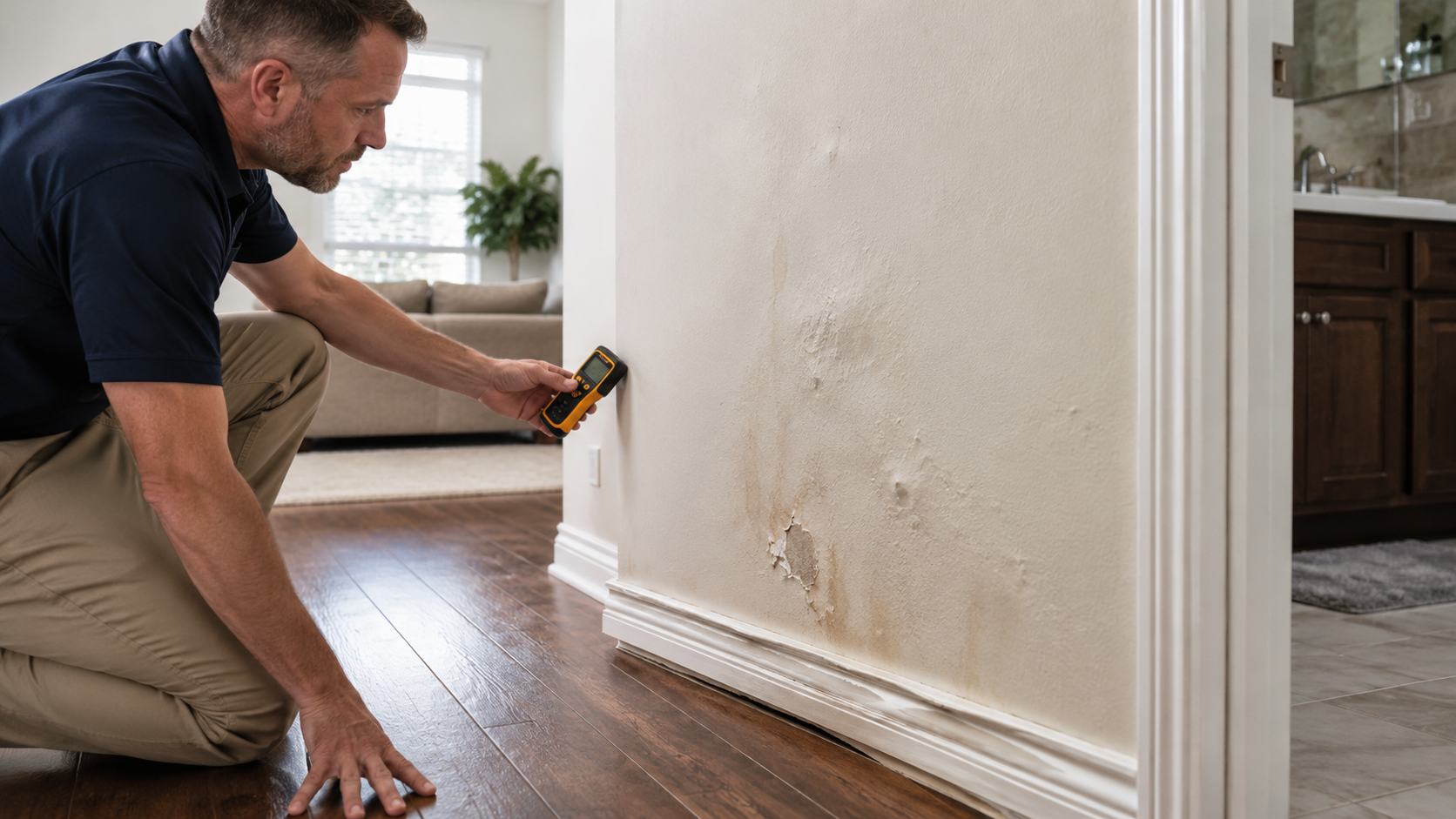
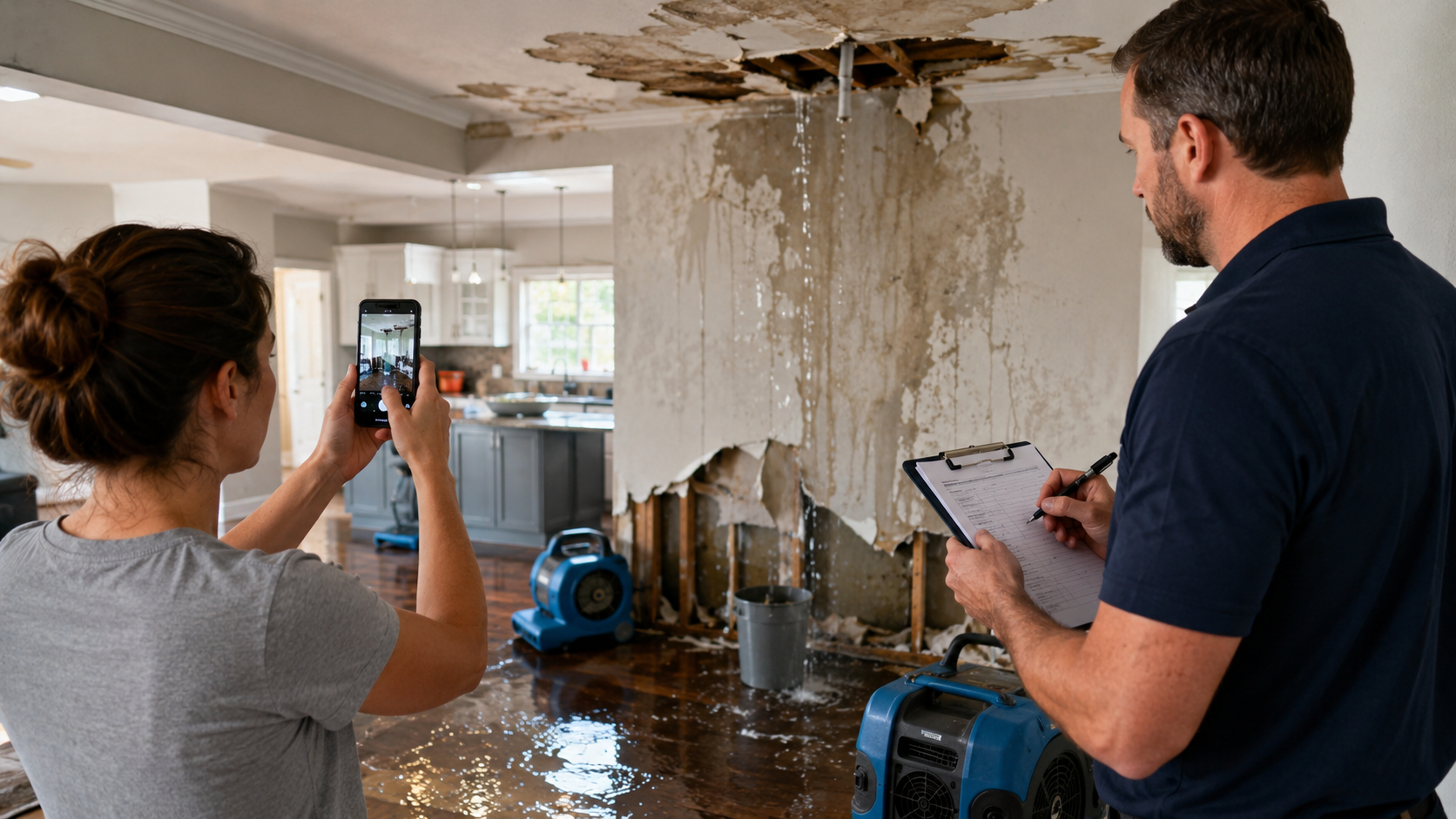
Water Damage Estimates Often Grow After Demolition
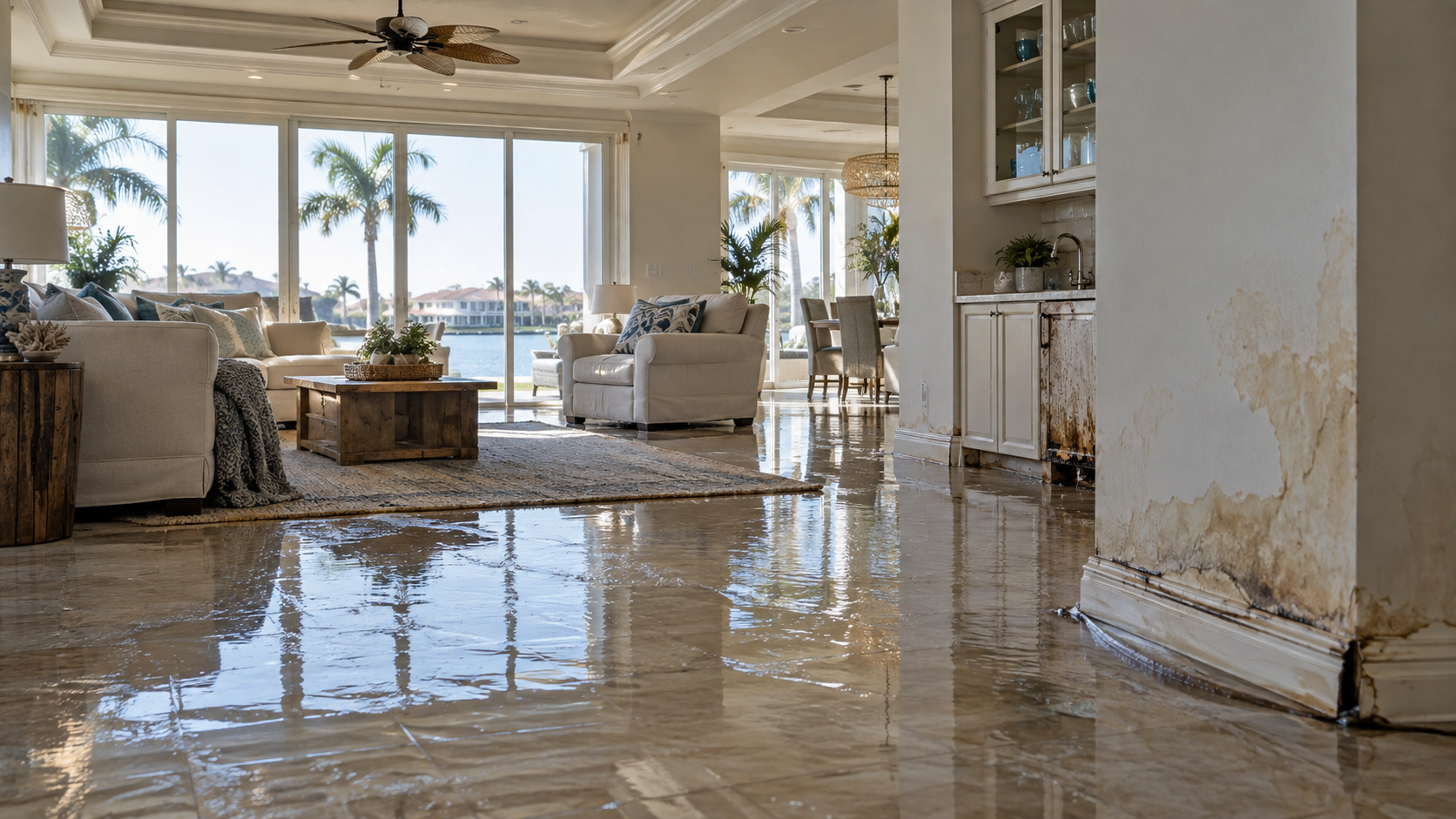
Water damage is especially likely to reveal additional problems once work begins.
Removing flooring may expose damage underneath.
Removing cabinets may reveal wet drywall.
Opening a ceiling may reveal damaged insulation.
If the restoration contractor discovers additional damage, ask for:
- Photographs
- Measurements
- Written explanations
- Revised estimates
Newly discovered conditions should become part of the claim documentation.
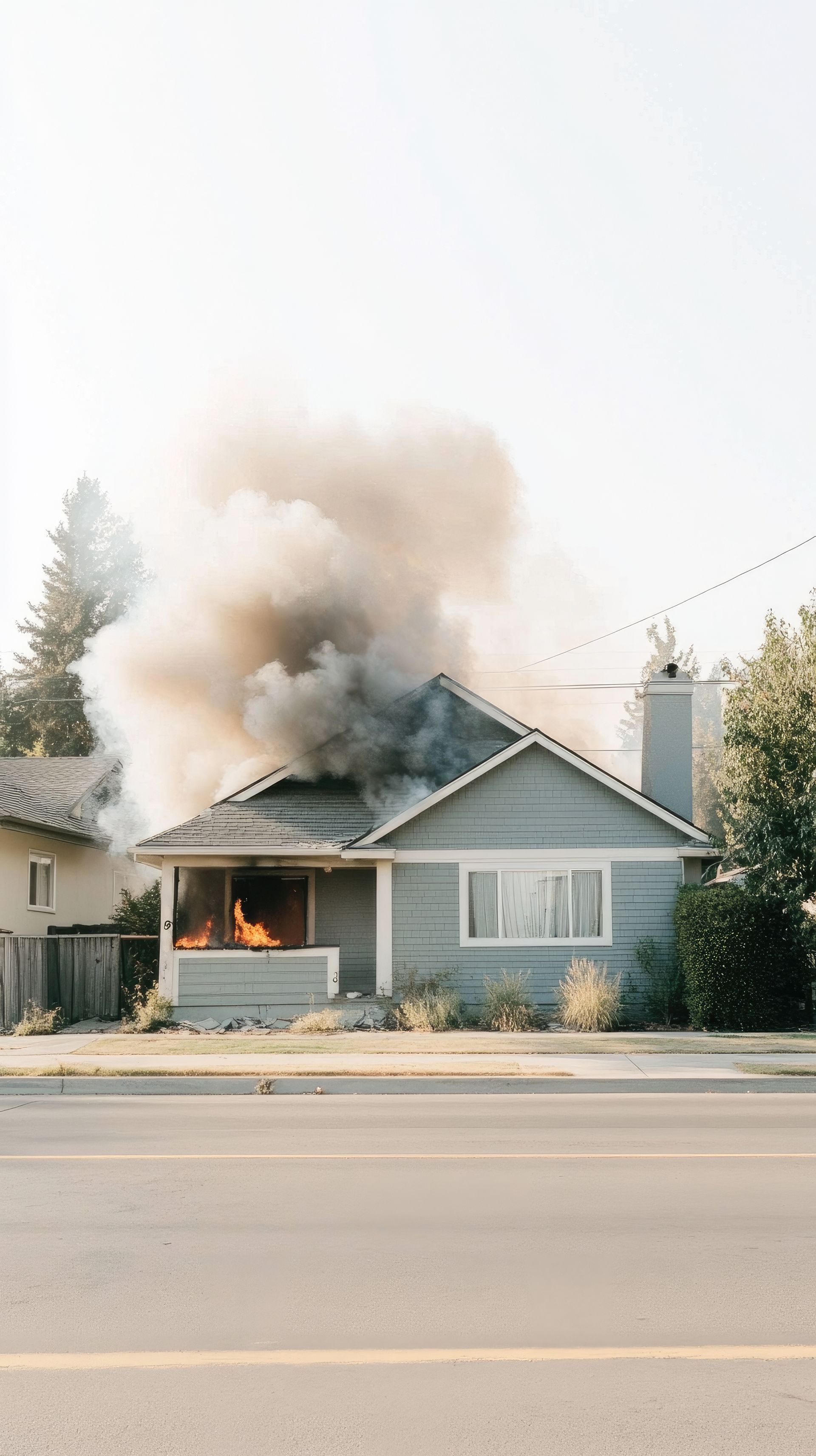
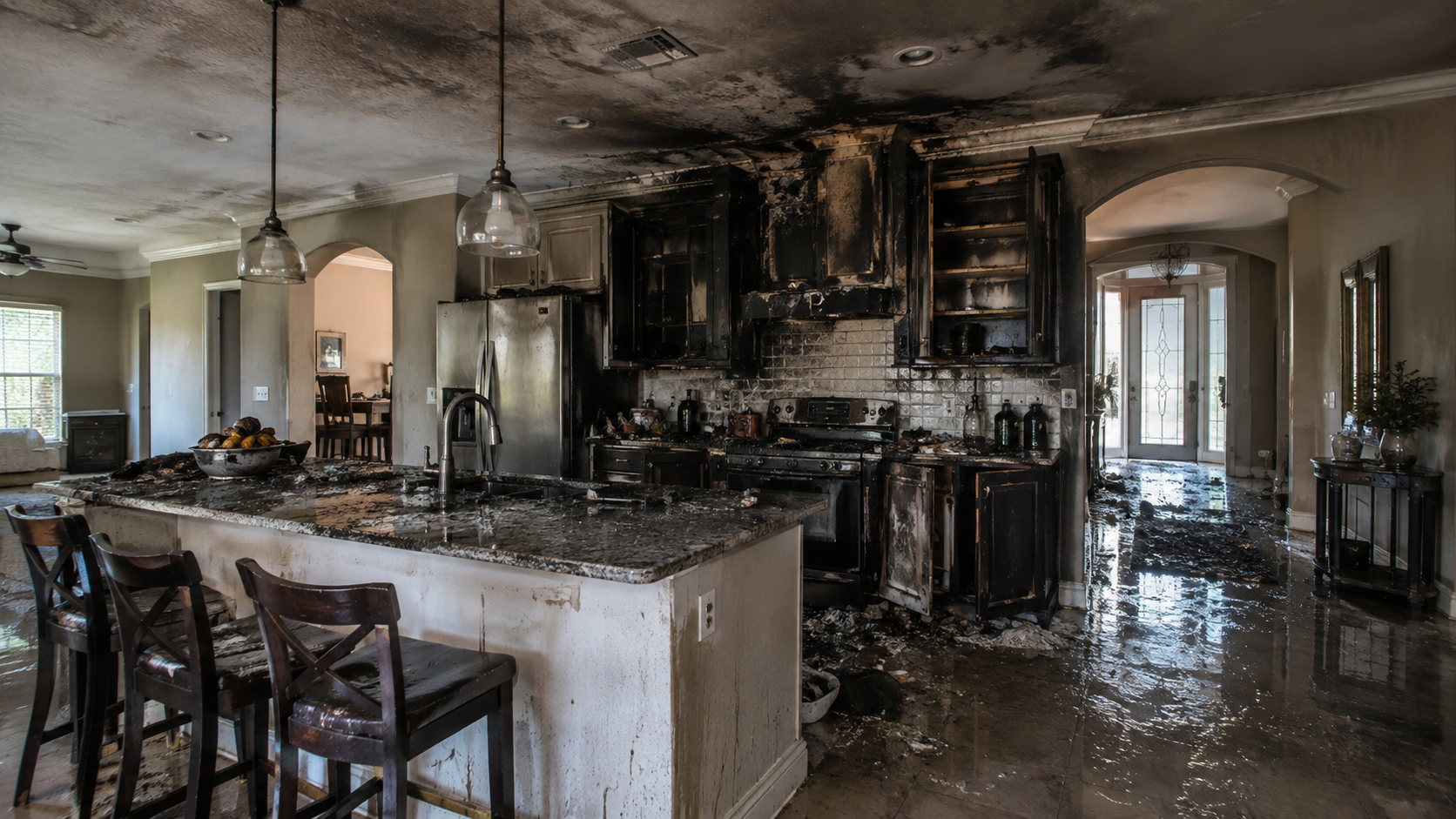
Fire Damage Estimates Need More Than Burn Repairs
The same scope problem can occur with fire damage restoration.
The most obvious estimate may address materials destroyed by flames.
But the contractor may also identify:
- Smoke cleaning
- Soot removal
- Odor treatment
- Water damage
- Electrical work
- HVAC cleaning
- Contents damage
- Additional painting
If the categories differ, the totals will differ.
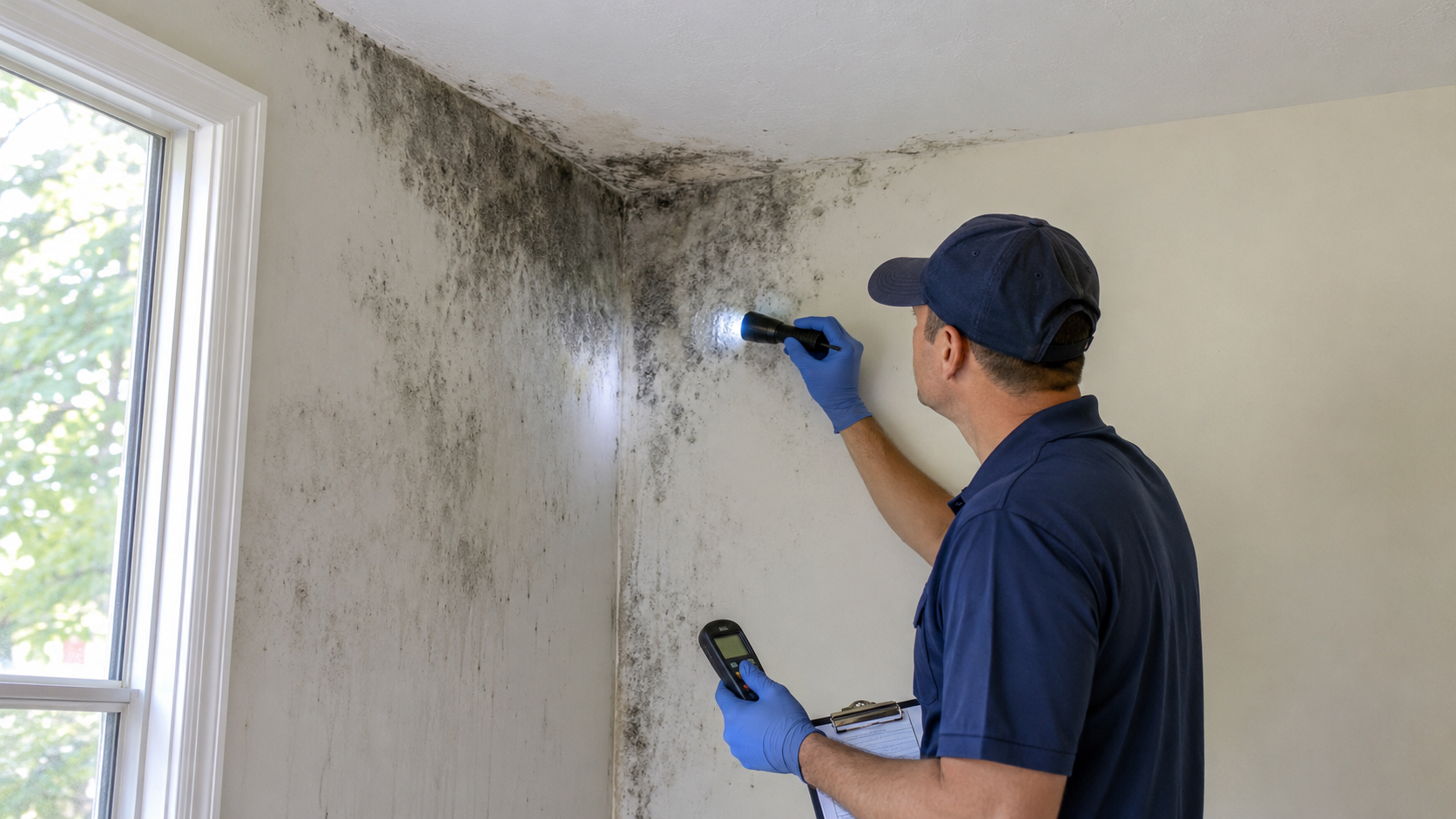
Mold Can Split the Project Into Two Estimates
Mold-related projects create another issue.
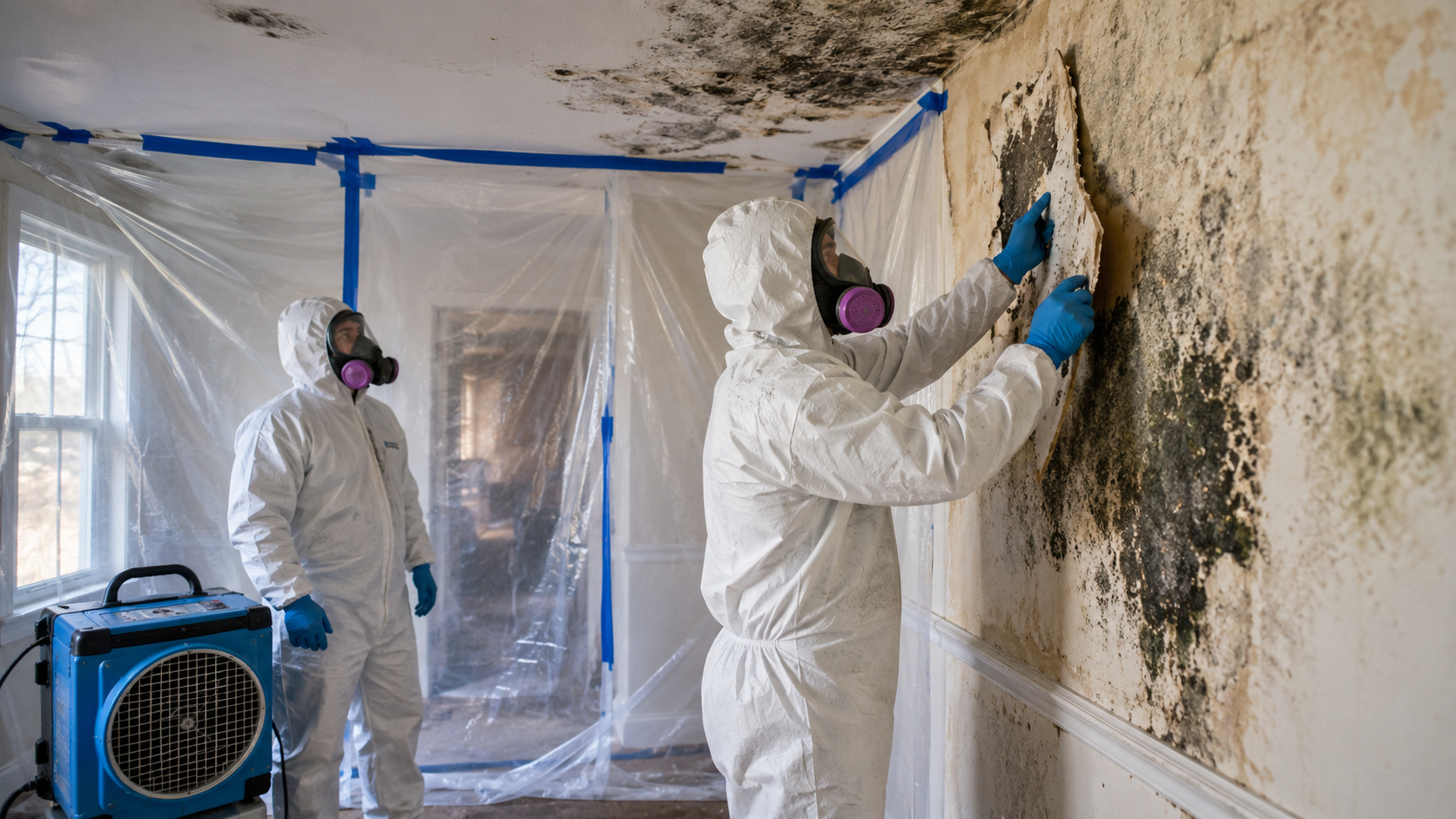
There may be one estimate for mold remediation and another for reconstruction.
The remediation contractor removes affected materials.
Then another contractor rebuilds:
- Walls
- Flooring
- Trim
- Cabinets
- Paint
If only one half of the project is considered, the total restoration cost can appear much lower than it actually is.
Don't Forget the Small Line Items
Large items are easy to notice.
Small items can quietly create a substantial gap.
Look for work involving:
- Debris removal
- Moving contents
- Floor protection
- Detaching fixtures
- Resetting fixtures
- Masking
- Surface preparation
- Priming
- Cleaning
- Hauling
- Access
A restoration project contains dozens of individual steps.
If enough of those steps are omitted, the final estimate may not reflect the actual project.
What Should a Lely Homeowner Do When Estimates Are Far Apart?
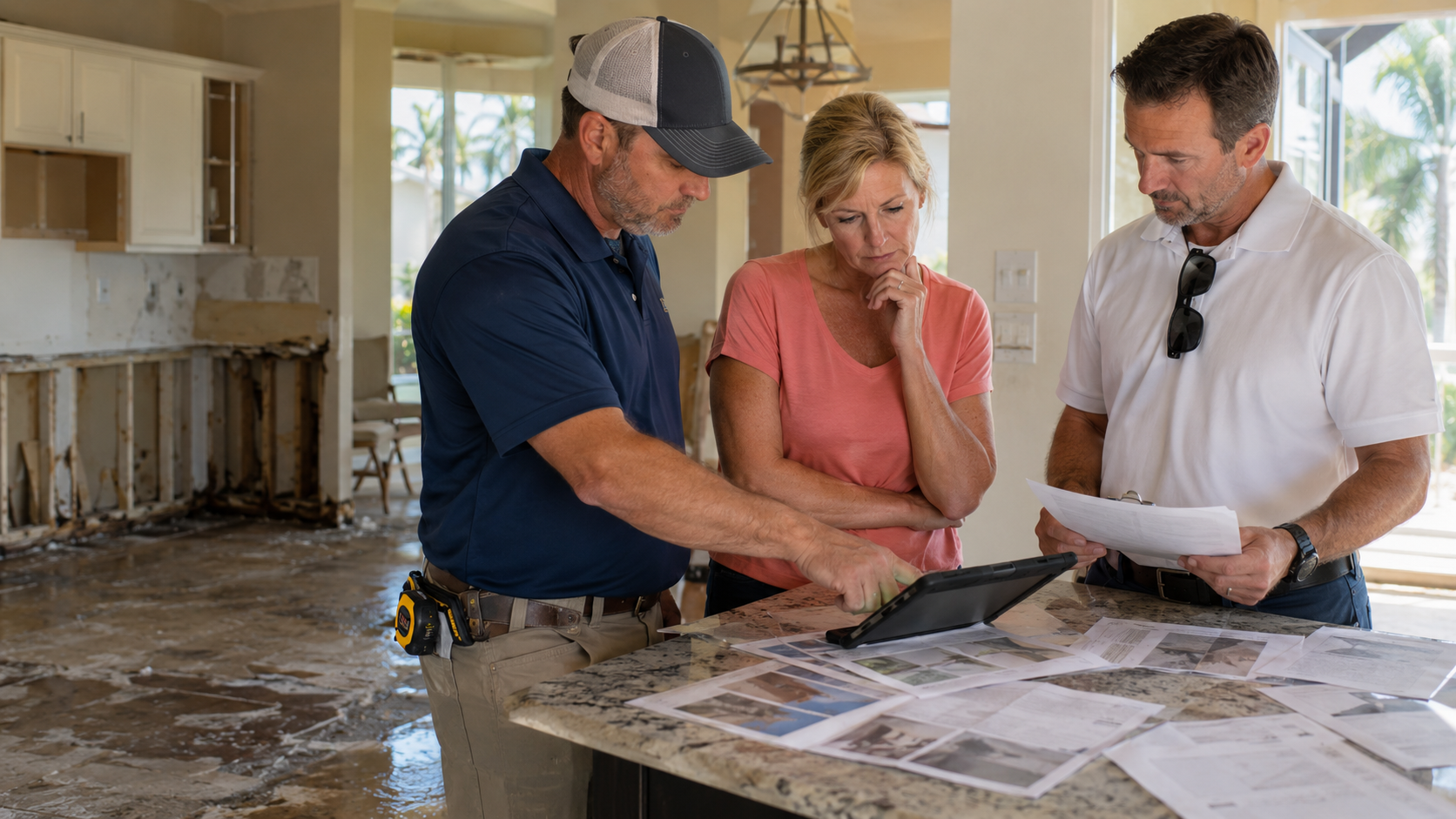
Create a side-by-side comparison.
Do not start with the total.
Start with the rooms.
For each room, compare:
- What is being removed?
- What is being repaired?
- What is being replaced?
- What quantity is listed?
- What material is specified?
- What labor is included?
- Is painting included?
- Is cleanup included?
Highlight missing items.
This turns a vague disagreement over money into a much clearer discussion about specific repairs.
Keep Revised Estimates
An initial contractor estimate is not always the final estimate.
The restoration scope can change as damage is uncovered.
Keep every version.
Mark the date and save supporting photographs.
A documented progression of the repair scope can help explain why a project that originally appeared relatively small became more extensive.
When a Public Adjuster Can Help
When a major difference remains between the insurer's assessment and the documented restoration scope, a public adjuster may be able to assist.
A public adjuster represents the policyholder and can review:
- Property damage
- Insurance estimates
- Contractor estimates
- Policy language
- Supporting documentation
- Missing scope items
They can then communicate with the insurance company regarding the property damage claim.
Property owners can learn more from All Service Adjusting's Public Adjuster in Lely, FL location page.
The Bottom Line
Don't compare two property damage estimates based only on the final numbers.
Compare what each estimate actually includes.
A $15,000 difference can make much more sense once you discover that one estimate is missing flooring, cabinets, painting, cleanup, or reconstruction.
If you are dealing with water damage, fire damage, mold restoration, or another property insurance claim in Lely, FL, All Service Adjusting can help review the loss and determine whether the documented restoration scope is being properly addressed.
FAQs
Why is the insurance estimate lower than my contractor's estimate?
Differences can result from scope, measurements, materials, pricing, labor, or missing repair procedures.
What should I do if additional damage is discovered during restoration?
Document the new damage with photographs, reports, measurements, and revised estimates and communicate the information through the appropriate insurance claim process.
Can a public adjuster compare my insurance and contractor estimates?
A public adjuster can review the damage documentation, estimates, and applicable policy information while representing the policyholder during the claim process.