Fire Damage Restoration in Orangetree
Fire Damage Restoration in Orangetree: Don't Overlook Smoke, Soot and Secondary Damage
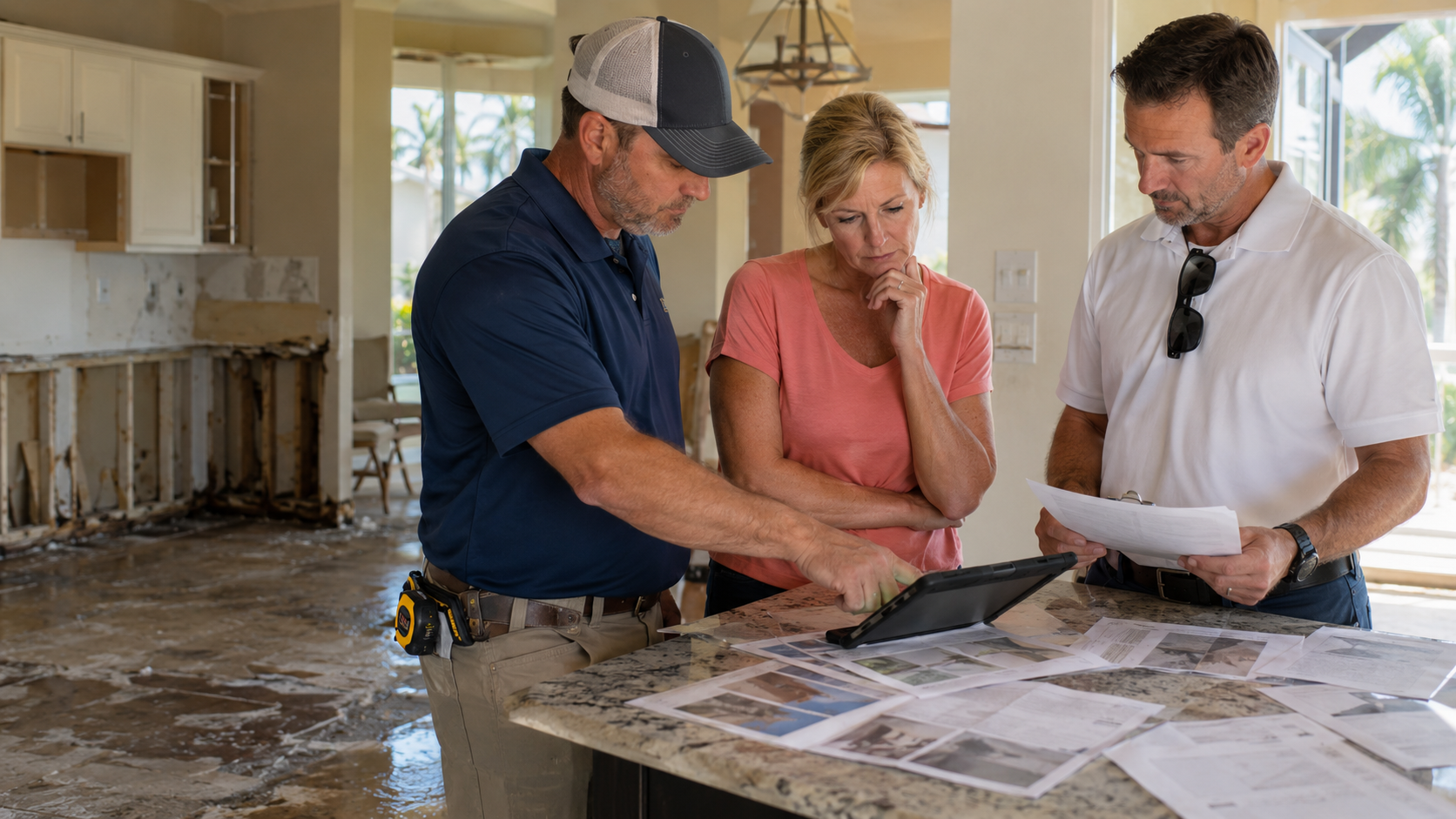
After a house fire, the most obvious damage usually gets everyone's attention first.
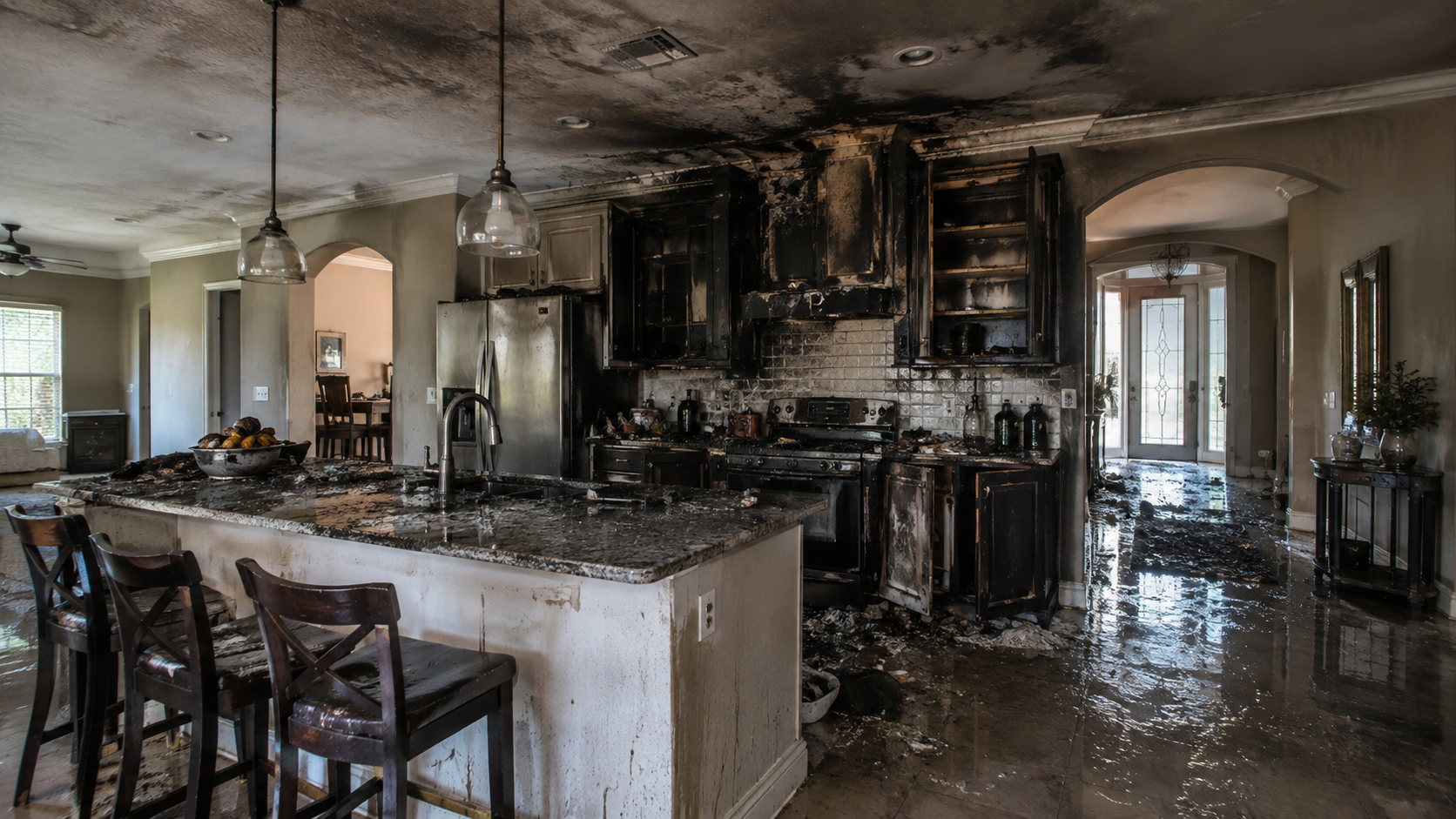
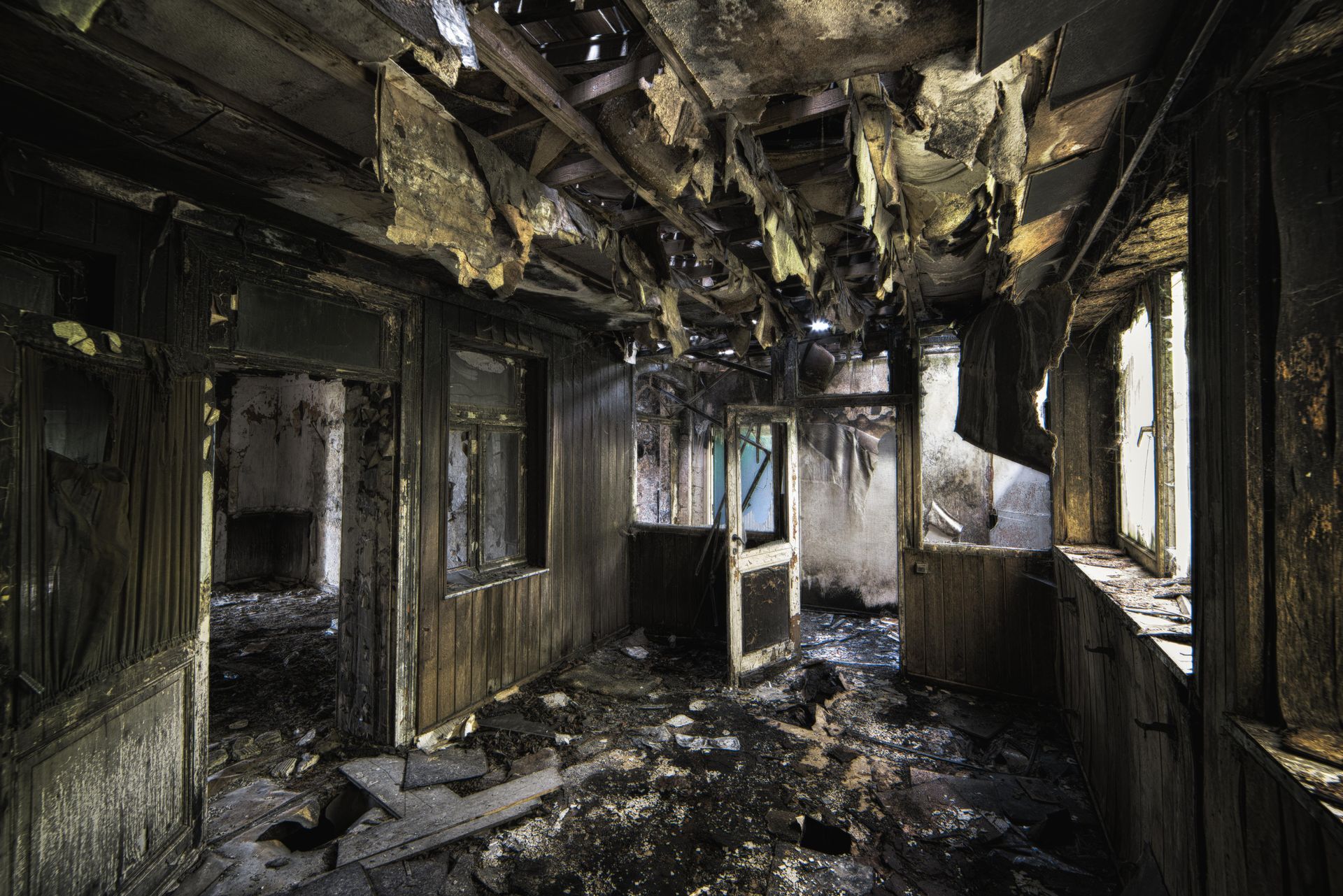
Burned cabinets. Damaged walls. Charred framing. Destroyed belongings.
But those visible areas may represent only one part of a much larger fire damage restoration project.
For homeowners in Orangetree, Florida, properly documenting smoke, soot, water, odors, personal belongings, and related repairs can be essential when preparing an insurance claim.
Fire Damage Doesn't Stop Where the Flames Stop
A fire may begin in one room while affecting several others.
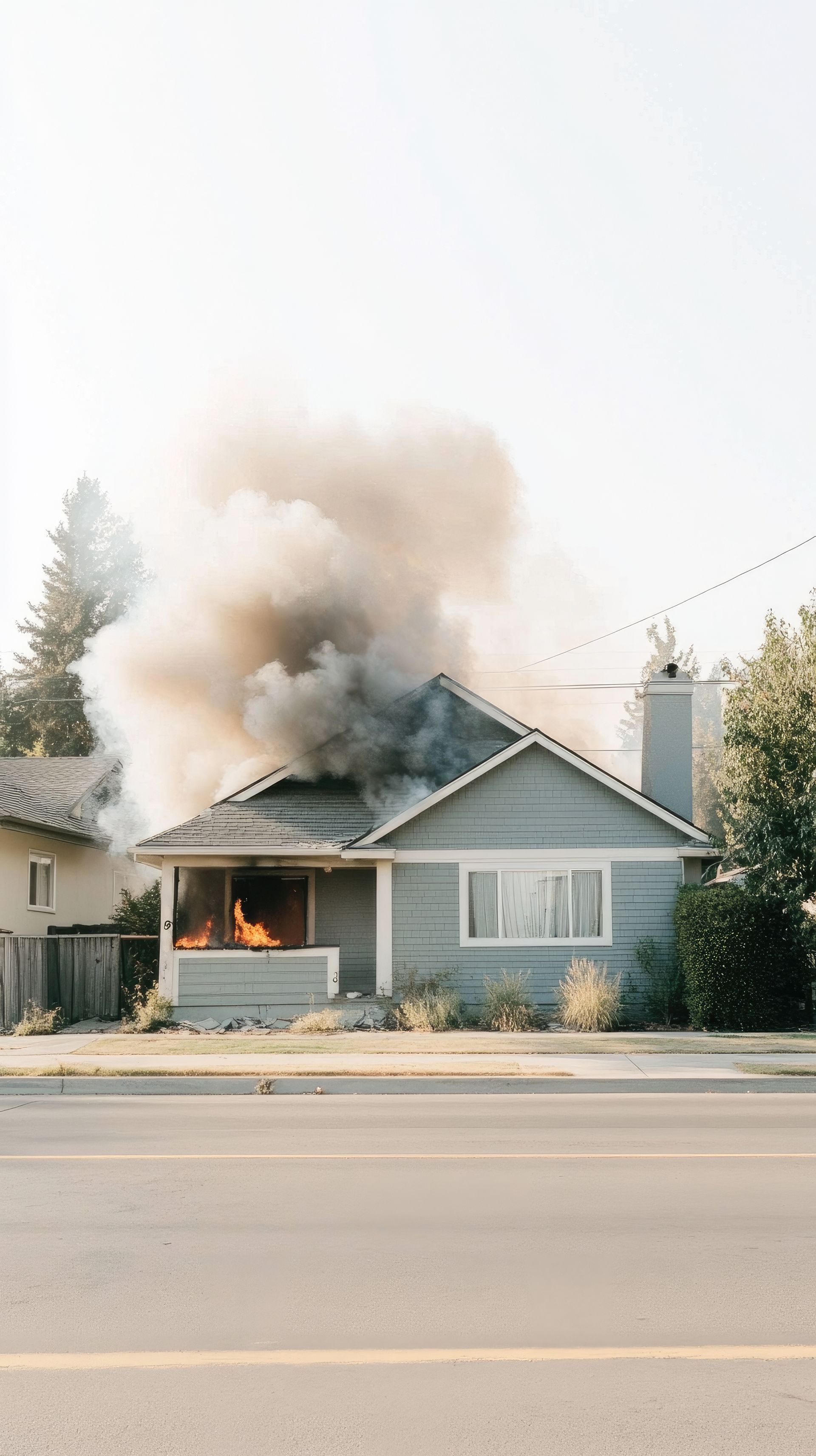
Smoke travels through a building differently than flames. It can move through hallways, doorways, wall openings, attics, and HVAC systems.
As a result, a room can look relatively normal while still being affected by:
- Smoke residue
- Soot
- Odors
- Heat
- Airborne contaminants
This is why a fire claim should not automatically be limited to the portion of the home with visible burn damage.
Smoke and Soot Can Create a Larger Restoration Scope
Smoke residue can settle onto:
- Walls
- Ceilings
- Flooring
- Furniture
- Cabinetry
- Appliances
- Clothing
- Electronics
- HVAC components
Depending on the extent and type of contamination, materials may need cleaning, deodorizing, sealing, refinishing, or replacement.
The insurance estimate should therefore be reviewed for more than just framing and drywall.
If a contractor's fire damage restoration estimate includes cleaning throughout multiple rooms but the insurer's estimate addresses only the fire's immediate location, there may be a meaningful difference in scope.
Water Damage Can Be Part of a Fire Loss
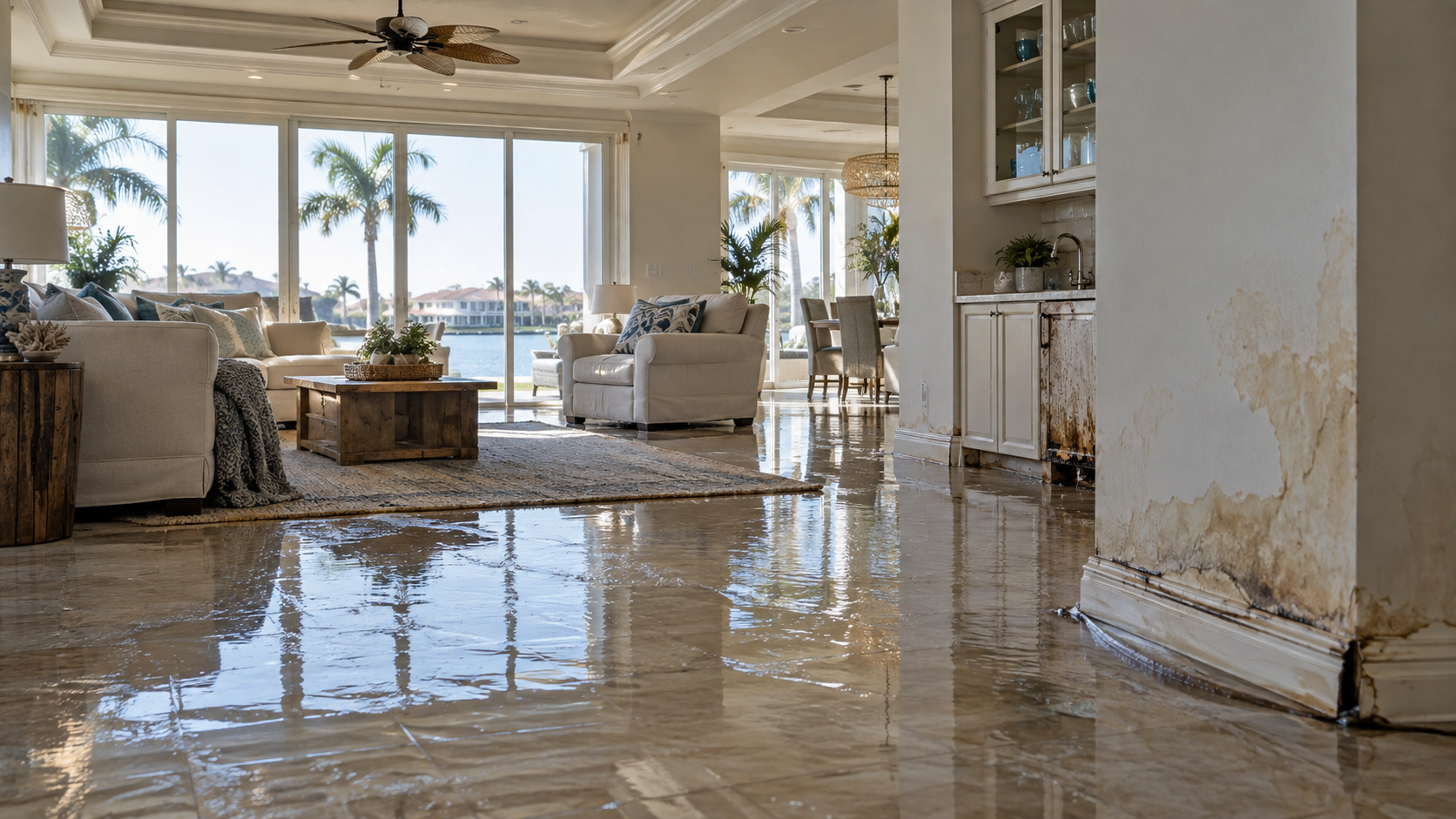
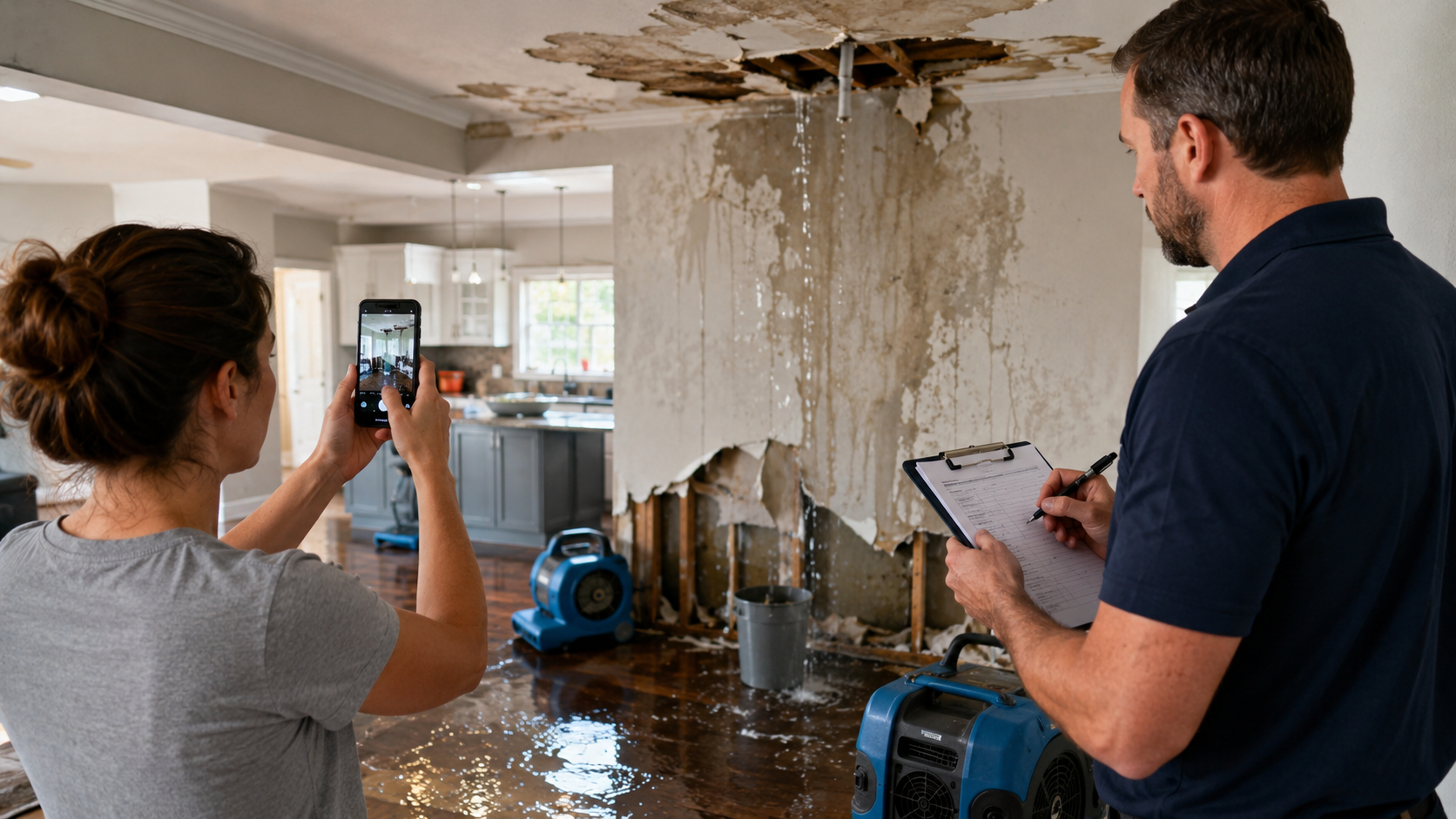
A house fire can also produce an unexpected second problem: water damage.
Water used during firefighting efforts can saturate materials throughout the property.
This may affect:
- Ceilings
- Drywall
- Flooring
- Insulation
- Furniture
- Lower floors
- Cabinets
A serious fire claim can therefore involve fire restoration, smoke cleanup, contents damage, and water damage at the same time.
Each category should be properly documented.
Contents Are Often One of the Most Time-Consuming Parts of a Fire Claim
Think about how many individual items are inside a home.
Furniture, electronics, clothing, kitchenware, tools, linens, decorations, sporting goods, children's belongings, and personal collections can quickly add up.
After a serious fire, creating a contents inventory can feel overwhelming.
Start with one room at a time.
Record:
- Item description
- Brand when known
- Approximate age
- Model information when available
- Quantity
- Purchase documentation
- Photos
Old photographs of the home may also help establish what was present before the fire.
Don't Throw Everything Away Immediately
There may be situations where damaged materials or contents have to be removed quickly for safety reasons.
However, whenever practical, document items before disposal.
Once an item is gone, proving its condition and value may become more difficult.
Photographs and video can preserve evidence even when the physical item cannot remain at the property.
Temporary Housing and Additional Expenses
Some fire-damaged homes cannot be safely occupied while repairs are underway.
Depending on the individual policy, additional living expenses may become part of the claim.
Property owners should retain documentation for qualifying expenses such as temporary accommodations and other necessary costs resulting from displacement.
Do not rely on memory.
Keep receipts and organize records as the claim progresses.
Why Fire Damage Restoration Estimates Can Change
Fire restoration projects frequently evolve once damaged areas are opened.
Contractors may discover:
- Additional structural damage
- Electrical problems
- Hidden smoke contamination
- Water-damaged insulation
- Additional demolition requirements
- Materials that cannot be cleaned as originally expected
When the repair scope changes, documentation should change with it.
Take new photos and obtain revised estimates or reports.
Where Insurance Claim Disputes Can Begin
A fire claim may become disputed when the insurer and property owner disagree over questions such as:
- What can be cleaned versus replaced?
- How far did smoke travel?
- Which rooms were affected?
- What contents can be restored?
- How much reconstruction is necessary?
- What was the value of damaged personal property?
A disagreement over one category can represent thousands of dollars in a larger loss.
Why an Orangetree Public Adjuster May Help
A public adjuster works for the policyholder rather than the insurance company.
The public adjuster's role can include inspecting damage, documenting the loss, reviewing the policy, preparing estimates, and negotiating the property claim.
Homeowners who are facing an underpaid, disputed, or complicated fire claim can learn more by visiting All Service Adjusting's Public Adjuster in Orangetree, FL page.
A Complete Fire Claim Looks Beyond Burn Damage
The true cost of a fire can be hidden in smoke, water, damaged belongings, reconstruction, and cleanup—not just the charred section of the building.
If your Orangetree home or property has experienced fire damage or smoke damage, All Service Adjusting can help evaluate whether the insurance claim reflects the documented extent of the loss.
FAQs
Does fire damage restoration include smoke damage?
It can. Smoke and soot may affect areas beyond the location of the flames and may require cleaning, deodorizing, sealing, or replacement.
Can water used to extinguish a fire be part of the claim?
Water damage resulting from firefighting efforts can be an important part of the overall loss. Coverage depends on the policy and specific circumstances.
Can a public adjuster help with an underpaid fire claim in Orangetree?
A licensed public adjuster can represent the policyholder by reviewing and documenting the loss and communicating with the insurance company regarding the claim.