Mold Removal Insurance Claims: What Homeowners Should Know
Mold Removal Insurance Claims: What Homeowners Should Know
Naples, FL | All Service Adjusting
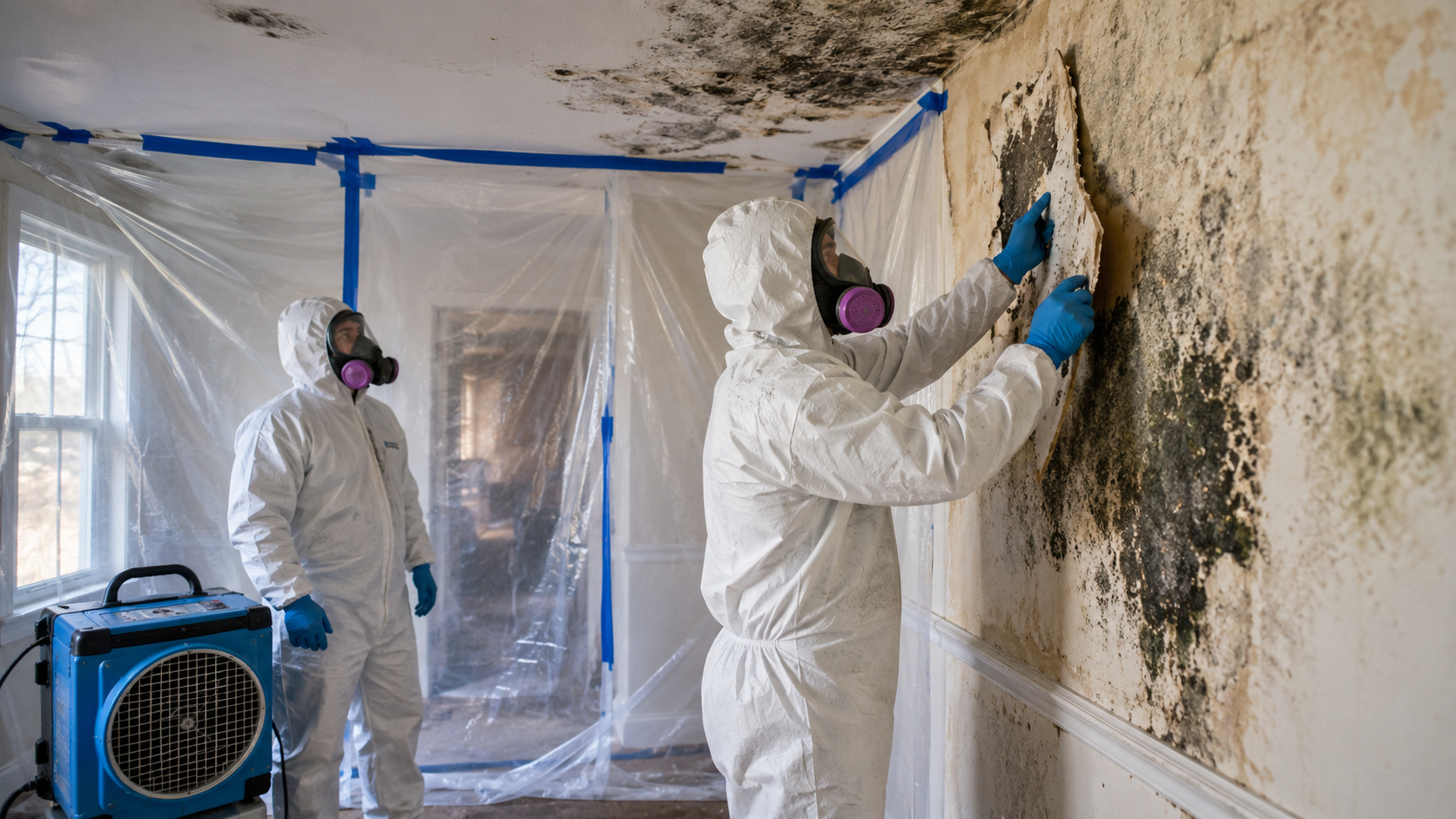
Mold can become a serious issue after water damage, roof leaks, plumbing problems, flooding, or long-term moisture exposure. Once mold is discovered, homeowners often have questions about cleanup, removal, testing, and insurance coverage. Unfortunately, mold removal insurance claims can be more complicated than many other property damage claims.
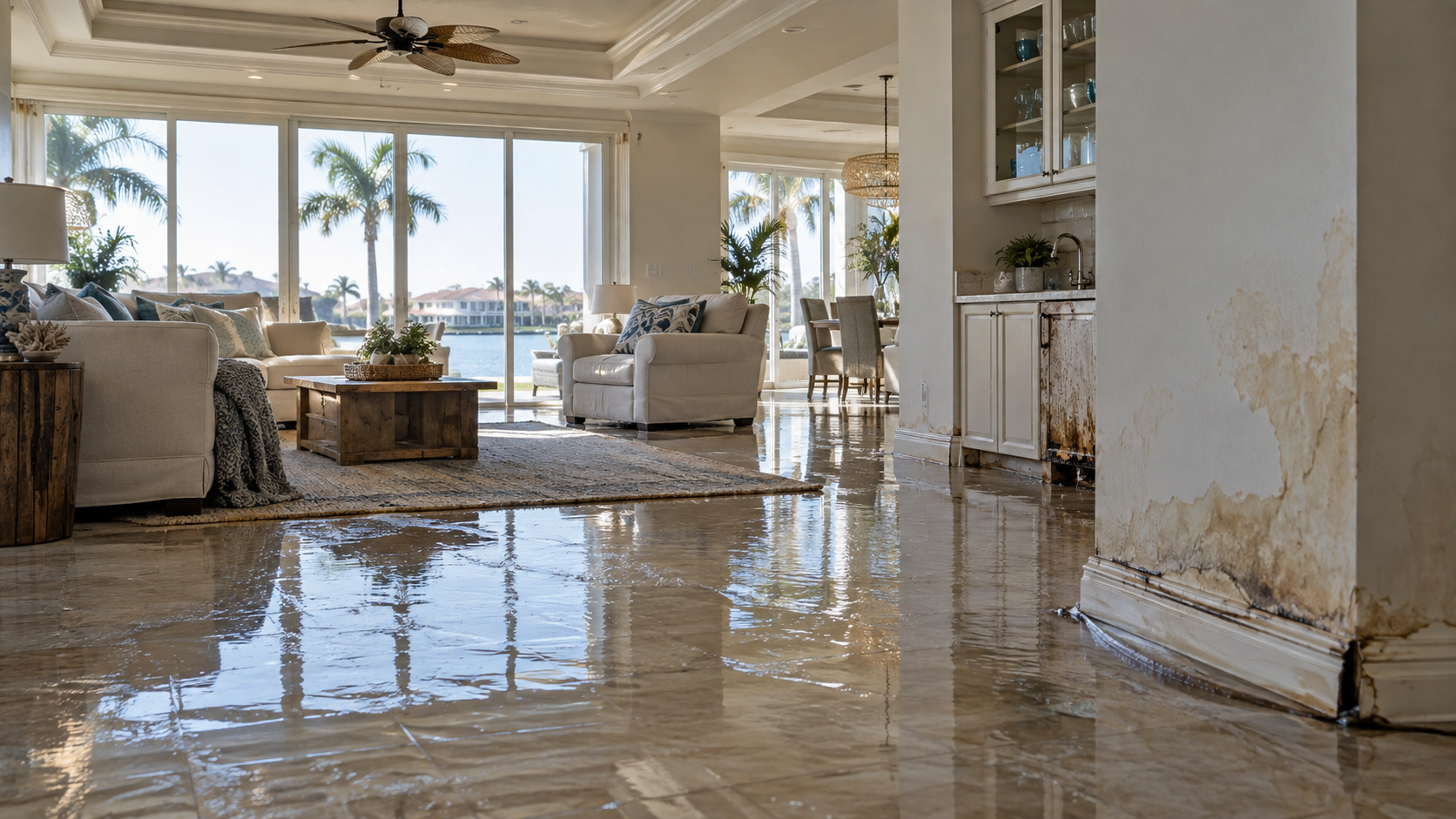
One of the biggest challenges is determining the cause of the mold. Insurance companies often look closely at whether the mold resulted from a sudden and accidental water loss or from long-term maintenance issues. For example, mold caused by a sudden pipe leak may be handled differently than mold caused by months of unresolved humidity or poor ventilation.
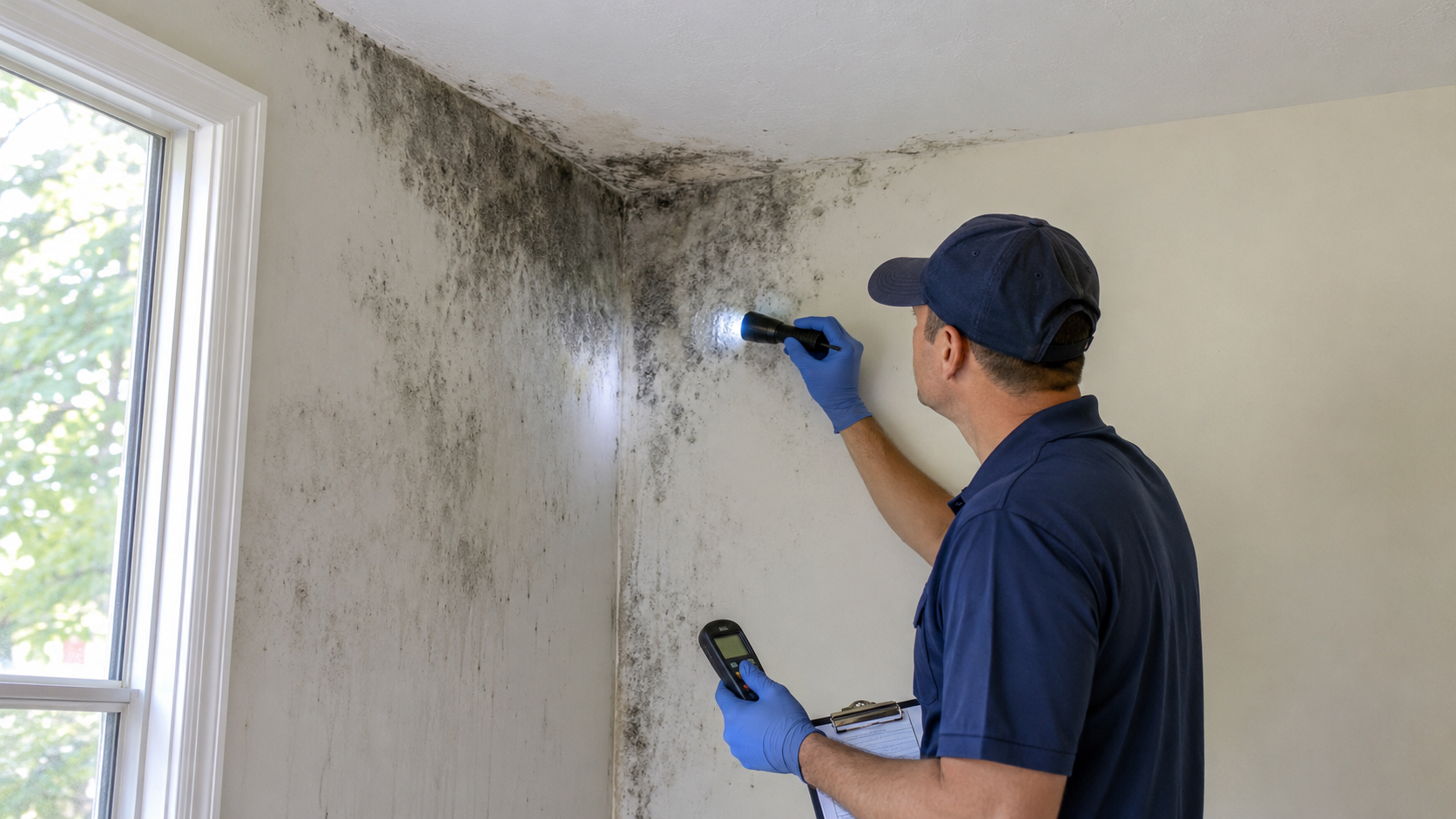
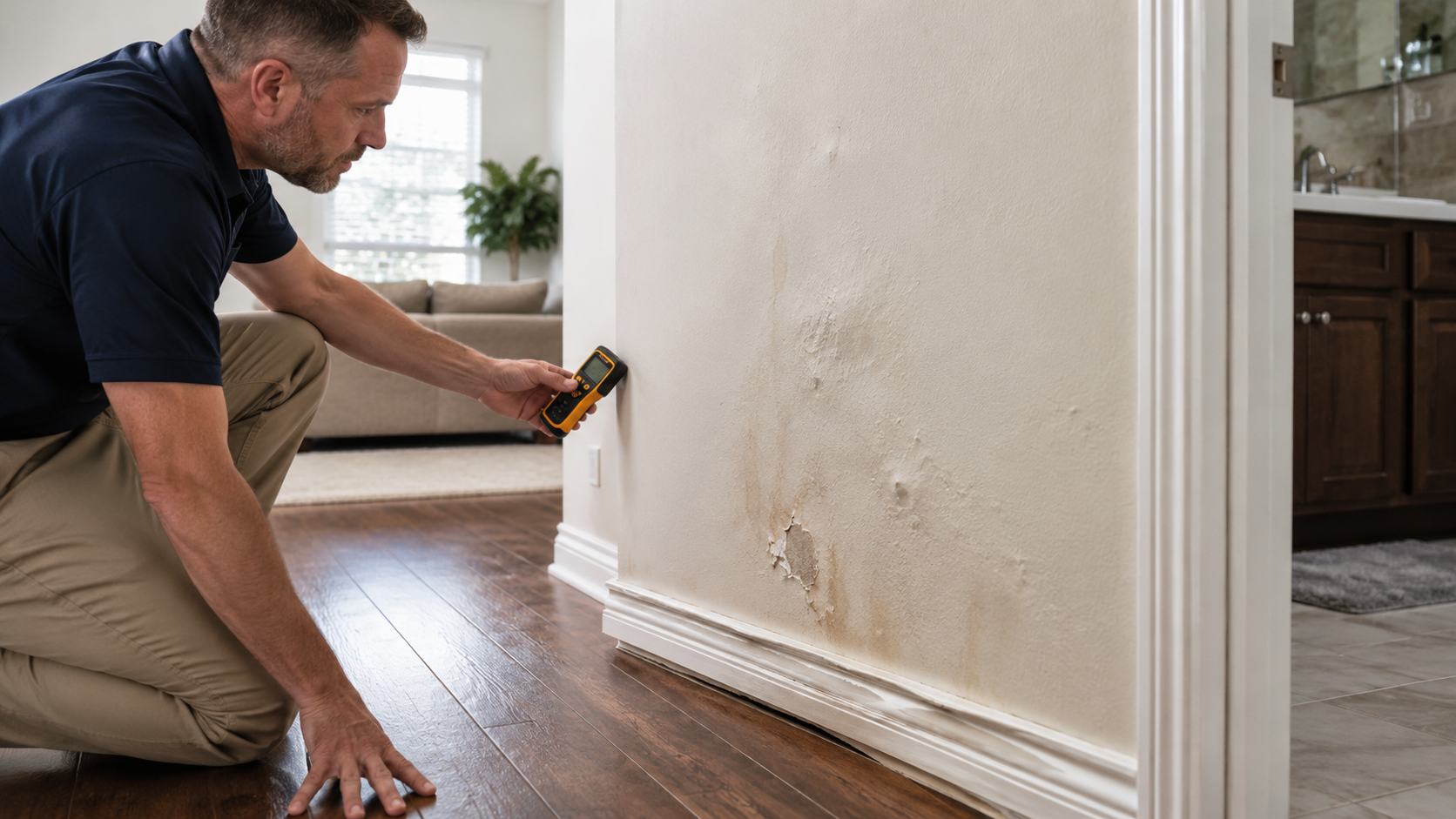
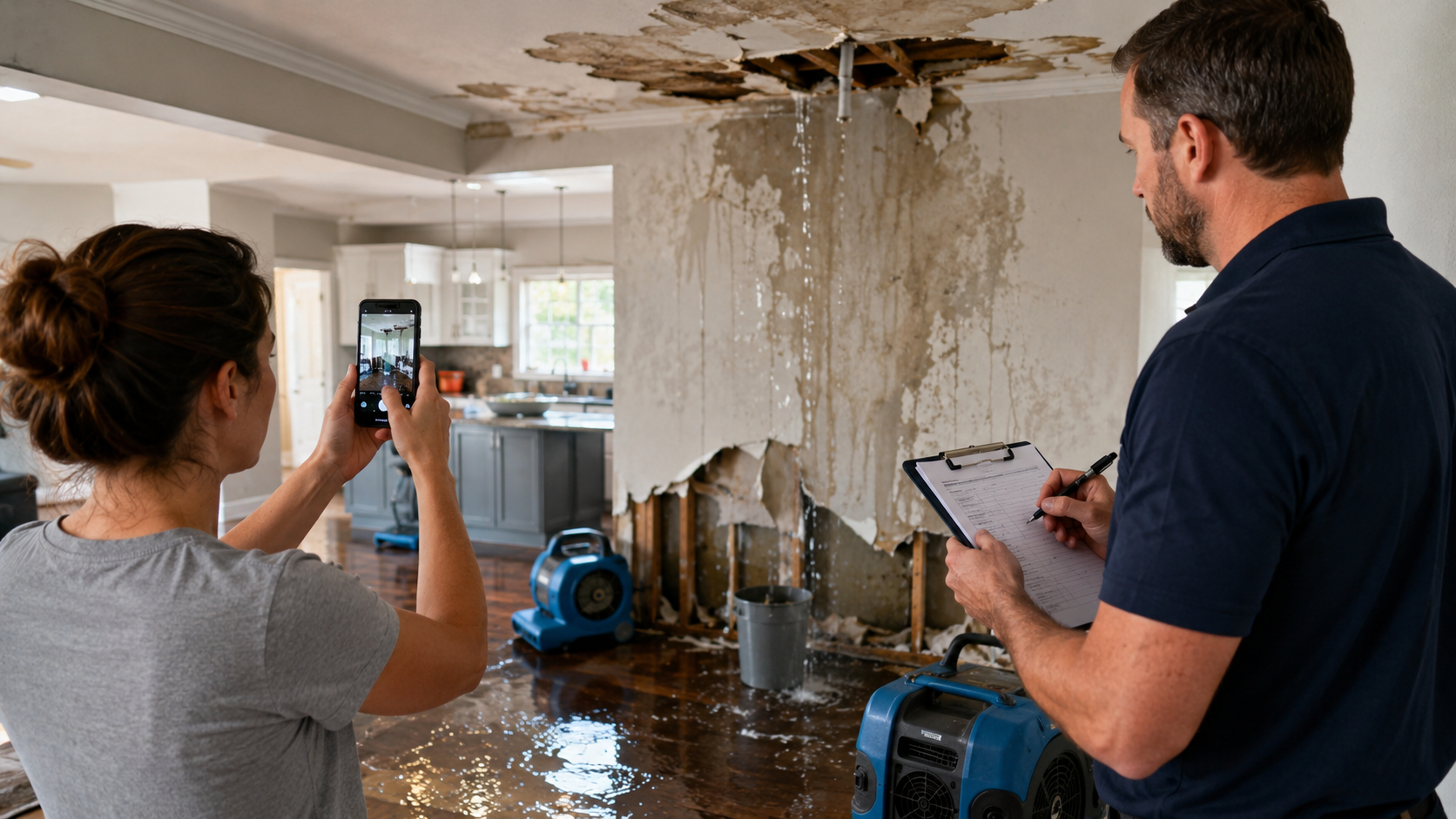
Because of this, documentation is critical. Homeowners should take photos of visible mold, water stains, damaged materials, leaking areas, and any related water damage. It is also helpful to keep plumbing reports, roof inspection notes, moisture readings, mold testing results, remediation estimates, and invoices. The more clearly the mold can be connected to a covered event, the stronger the claim may be.
Another issue is that mold damage may not be limited to what you can see. Mold can grow behind baseboards, inside drywall, under flooring, around cabinets, and in areas affected by hidden moisture. If the insurance company only reviews the visible mold, the claim may not include the full cost of proper removal, containment, demolition, cleaning, air filtration, or repairs.
Homeowners should also be careful before signing off on a settlement. Mold removal can involve several steps, including inspection, testing, containment, removal of affected materials, cleaning, drying, and rebuilding. If the claim estimate does not include all necessary work, the homeowner may be left with unexpected out-of-pocket costs.
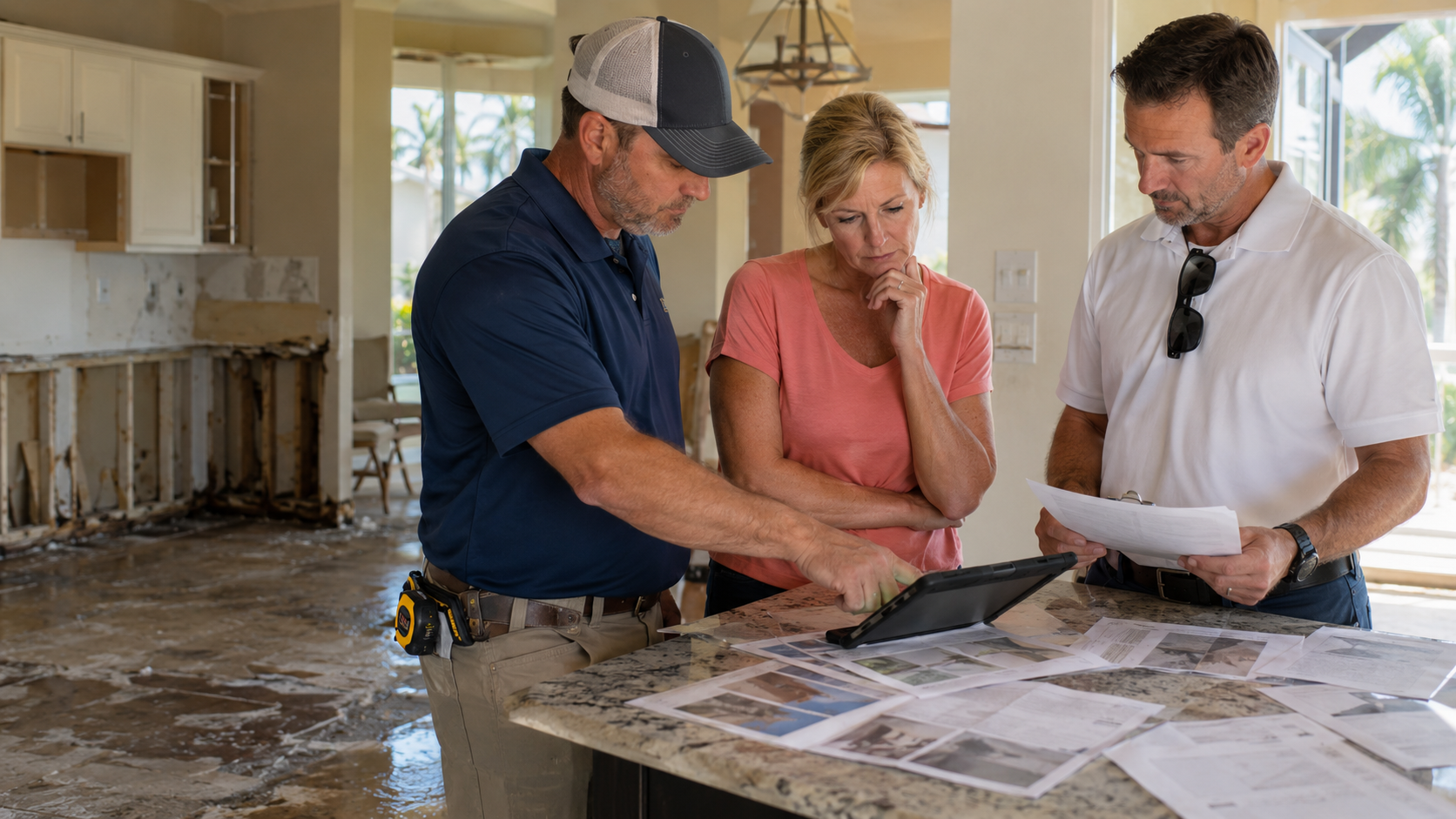
A public adjuster can help by reviewing the policy, inspecting the property, documenting the mold damage, and negotiating with the insurance company. Public adjusters work for the policyholder, not the insurance carrier, which means their role is to help protect the homeowner’s claim.
At All Service Adjusting, we assist homeowners with mold claims by helping identify damage, organize documentation, and pursue a fair insurance settlement. Whether the mold is connected to a leak, storm damage, roof issue, or previous water damage claim, our team can help you understand your options.
If you have discovered mold in your home, do not ignore it and do not rely only on a quick visual inspection. Proper claim support can help make sure the damage is fully reviewed from the beginning.
Call All Service Adjusting today for help with your mold removal insurance claim.