

Mold Restoration in Goodland
Mold Restoration in Goodland:
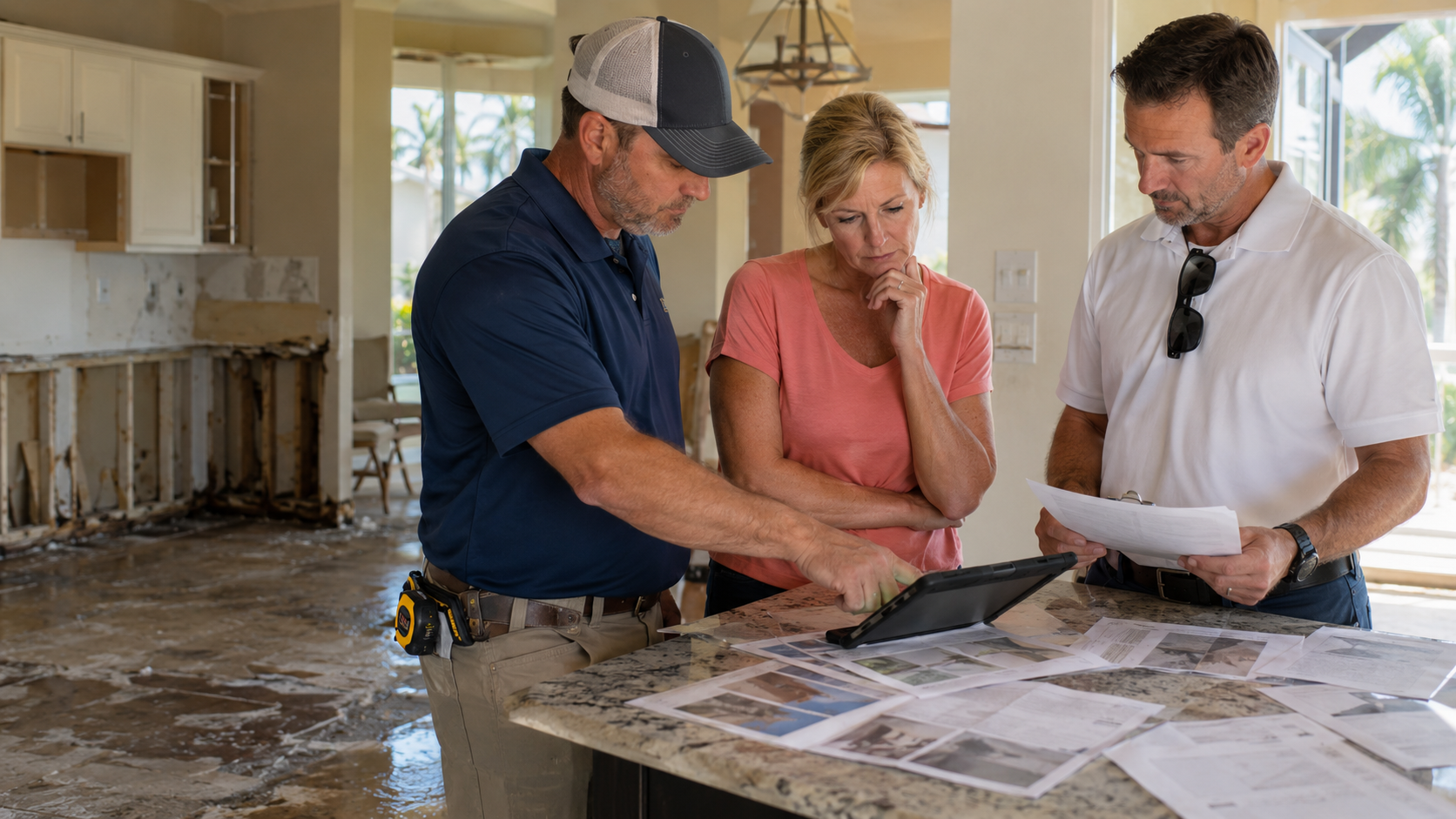
When a Water Problem Becomes a Much Bigger Property Claim

Goodland has a character that is distinctly coastal Florida. Located near Marco Island, the community is known for its long connection to fishing and waterfront life.
For property owners, however, living in Southwest Florida also means taking moisture problems seriously.
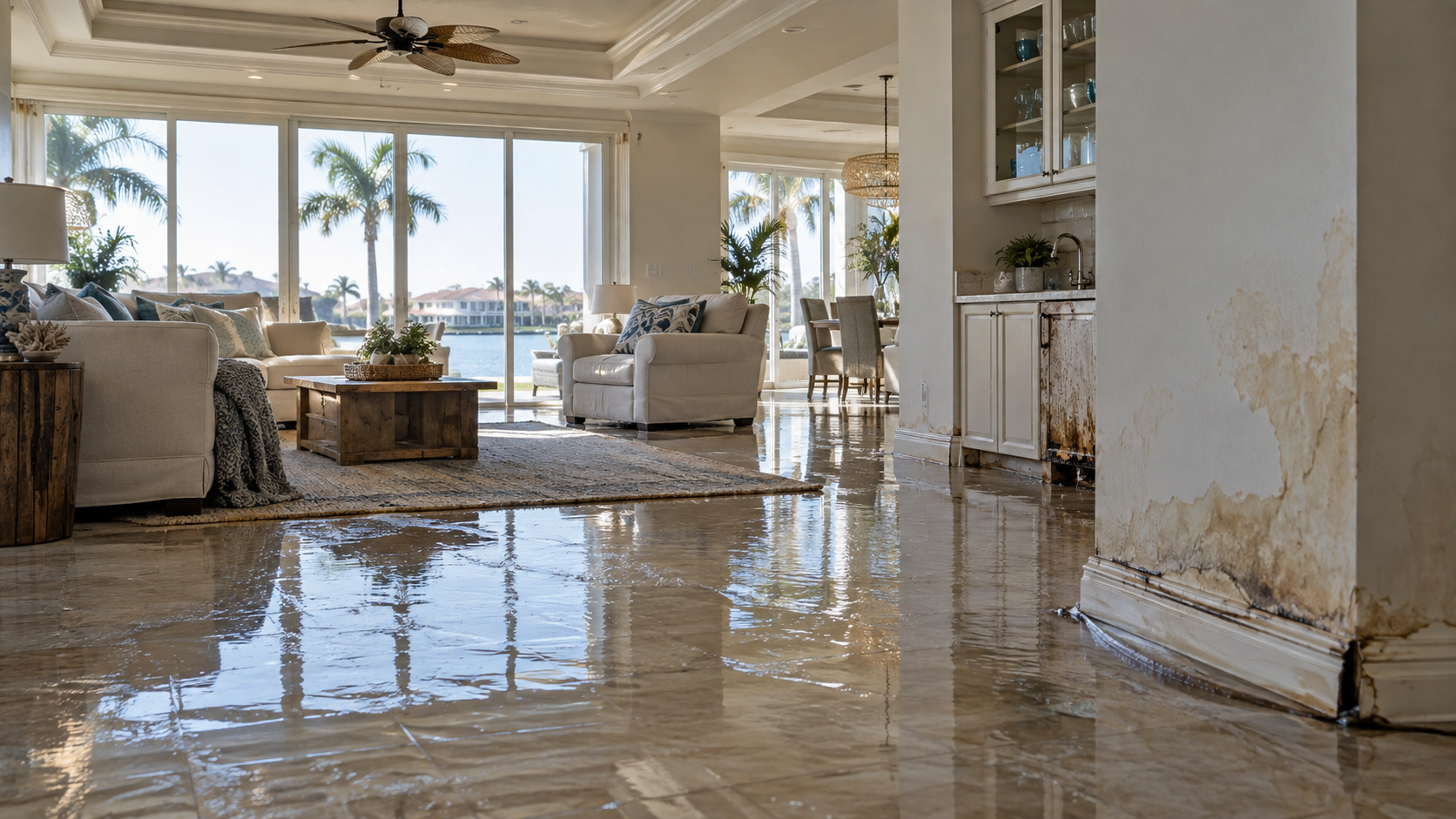
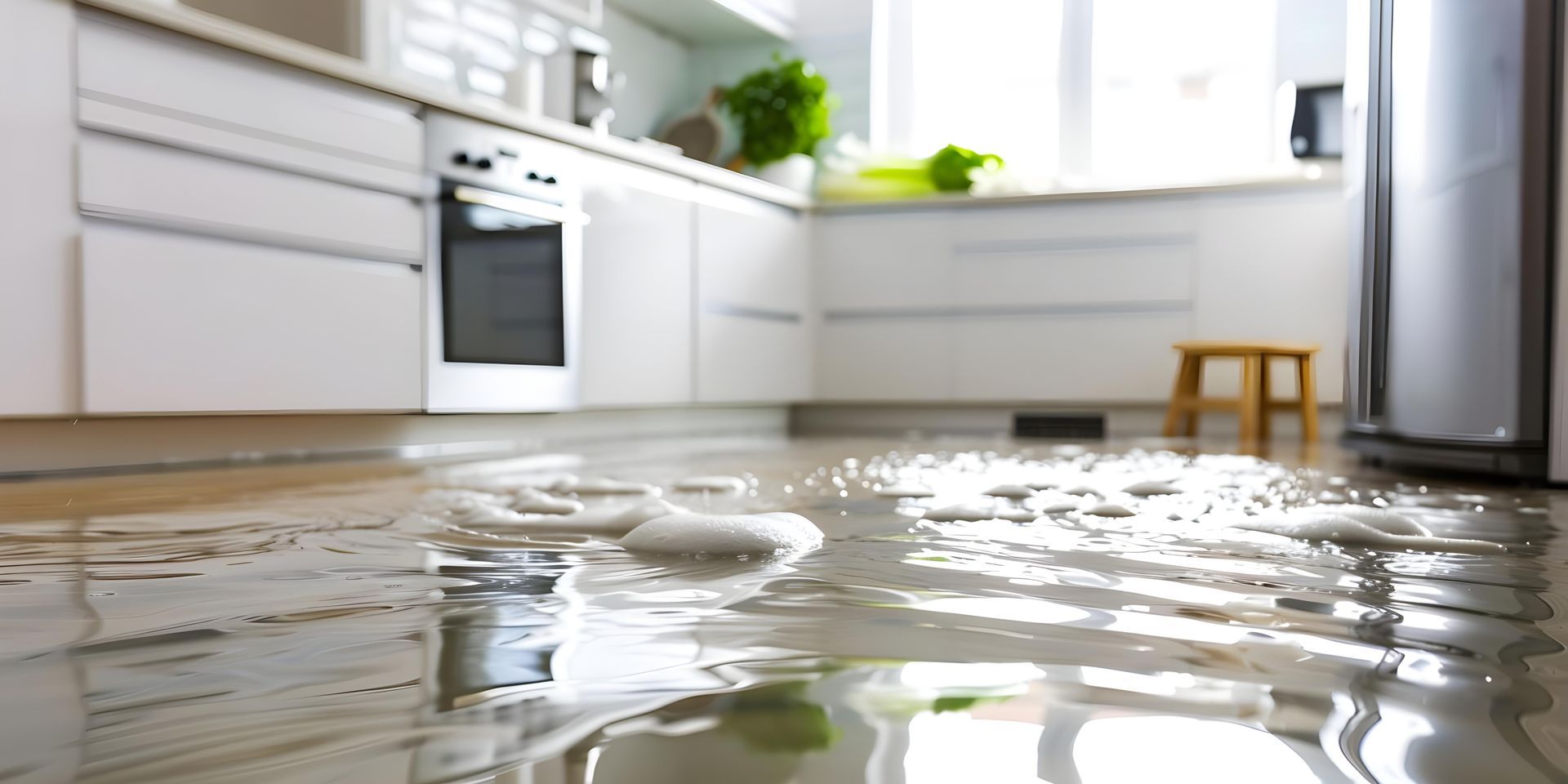
A roof leak, plumbing failure, air-conditioning issue, storm opening, or unnoticed water intrusion can sometimes lead to mold damage long after the original water appears to be gone.
When that happens, the insurance claim can become considerably more complicated.
The Mold May Not Be the Original Problem
Mold is often the result of another property issue.
The first question after discovering mold should therefore not simply be:
"How much will mold removal cost?"
Another important question is:
Where did the moisture come from?
Common sources may include:
- Roof leaks
- Plumbing failures
- Air-conditioning condensation
- Appliance leaks
- Storm-related water intrusion
- Water heater problems
- Previous water damage
Identifying and documenting that original cause can be important when an insurance claim is involved.
A Small Leak Can Create Damage in Places You Can't See
One challenge with moisture is that it can travel into enclosed areas.
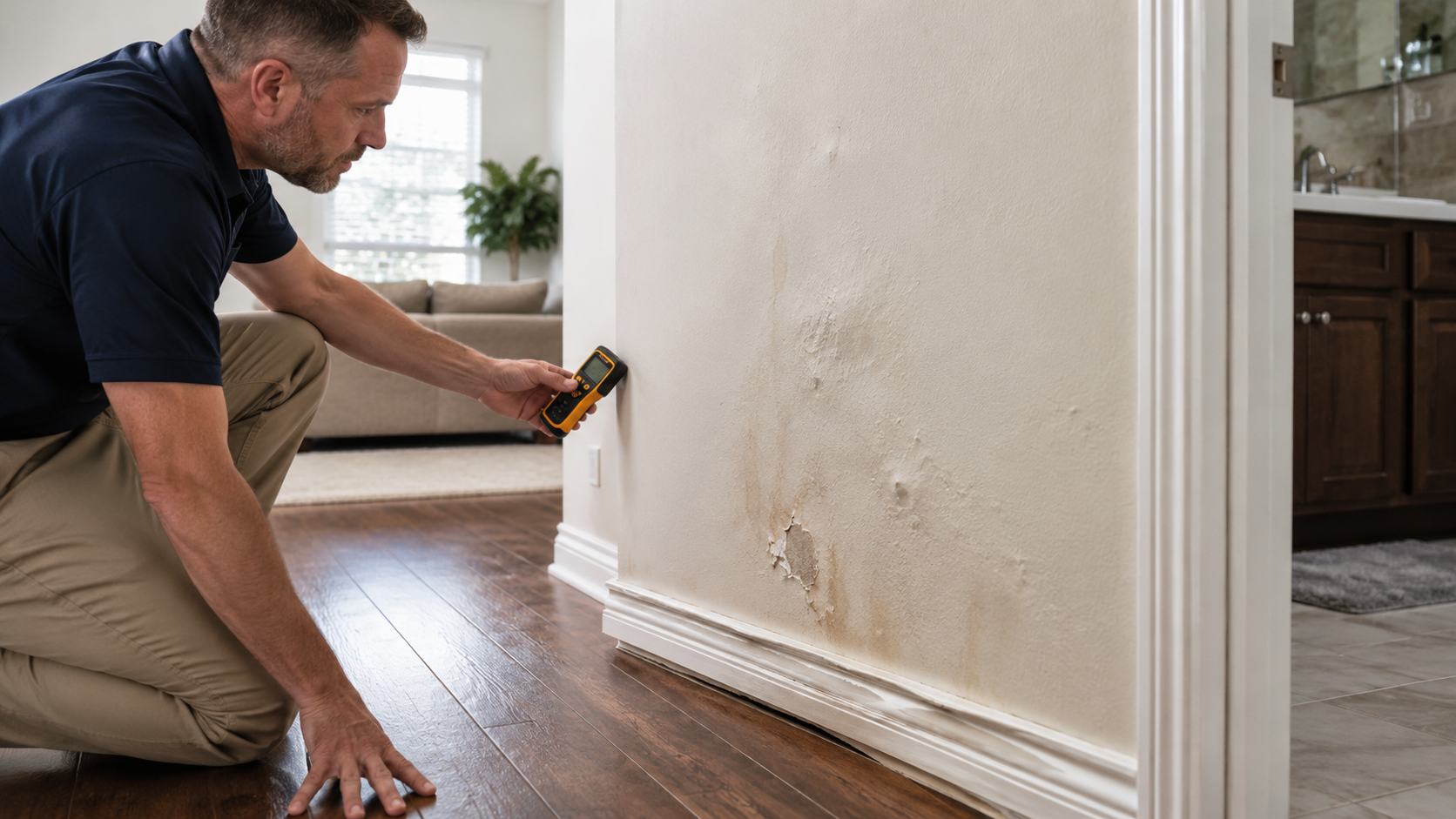
For example, a leaking supply line can send water underneath a cabinet and behind drywall.
The visible floor may dry while moisture remains inside another building material.
Mold may eventually be discovered:
- Behind baseboards
- Inside wall cavities
- Under flooring
- Behind cabinets
- In ceilings
- Around plumbing penetrations
- Inside closets
Finding mold later does not automatically explain when or why the underlying damage occurred.
That is why maintaining documentation from the original water event can be valuable.
Mold Removal and Mold Restoration Are Different Parts of the Project
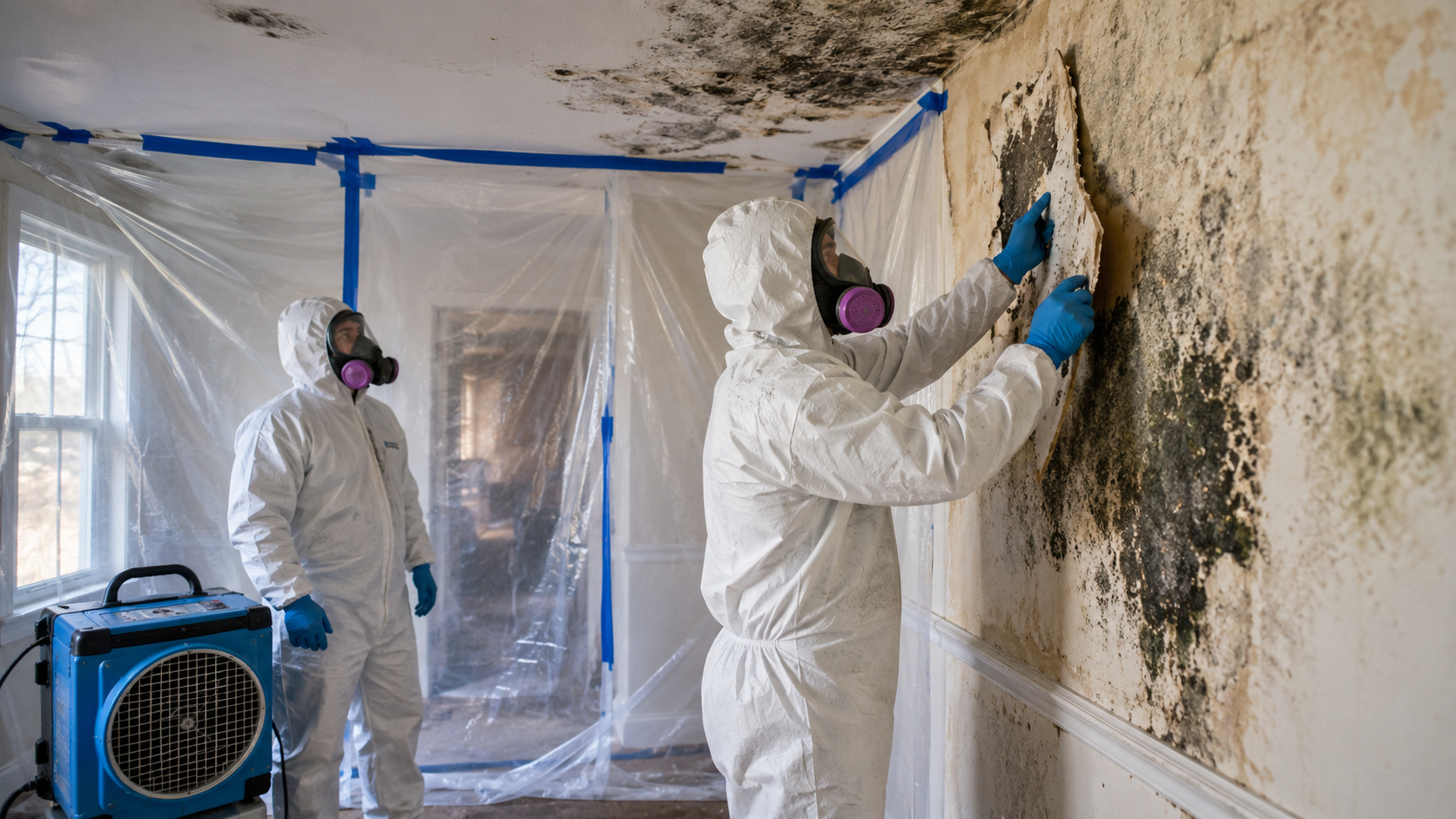
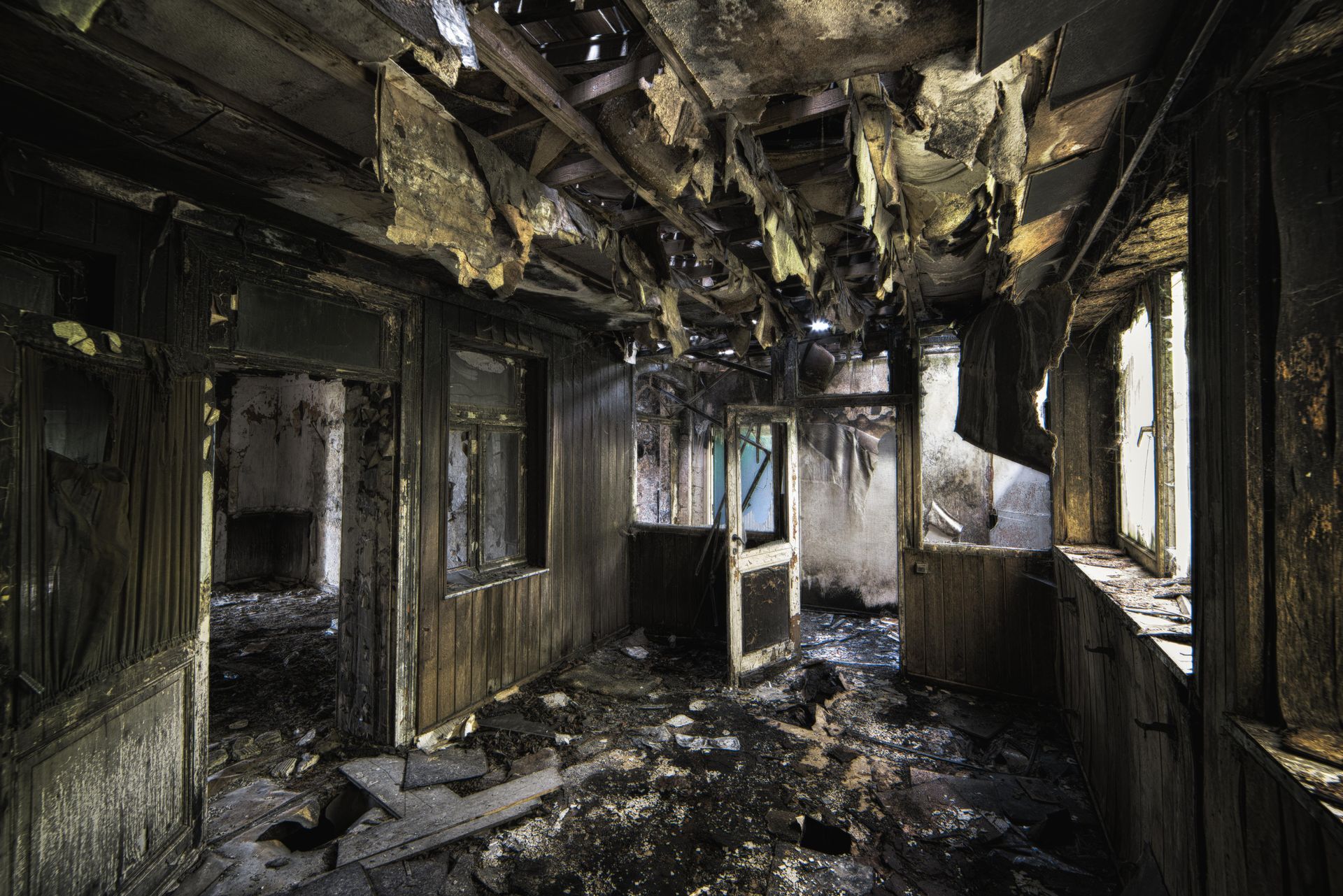
Removing mold-damaged materials does not necessarily restore the property.
Imagine that remediation requires removing drywall, baseboards, flooring, and part of a bathroom vanity.
Once the affected materials are removed and the area is cleaned, the home still needs to be rebuilt.
Mold restoration can potentially involve:
- New drywall
- Insulation
- Texture
- Paint
- Trim
- Flooring
- Cabinetry
- Plumbing work
- Electrical work
- Final cleaning
Homeowners should consider both sides of the project: remediation and reconstruction.
Why Reconstruction Costs Are Sometimes Missed
Insurance discussions involving mold may become heavily focused on testing and remediation.
That can cause the rebuild portion to receive less attention.
For example, removing a section of cabinetry may affect countertops. Removing flooring may create matching issues. Opening walls may require new insulation, drywall, texturing, and painting.
The property cannot be considered fully restored simply because the mold-damaged material has been removed.
A complete estimate should reflect what is actually required to put the affected area back together.
Build a Timeline of the Water and Mold Damage
For a mold-related insurance claim, create a simple timeline.
Record:
- When the original water problem was discovered
- What caused it, if known
- When the insurance company was notified
- What emergency work was completed
- When mold was discovered
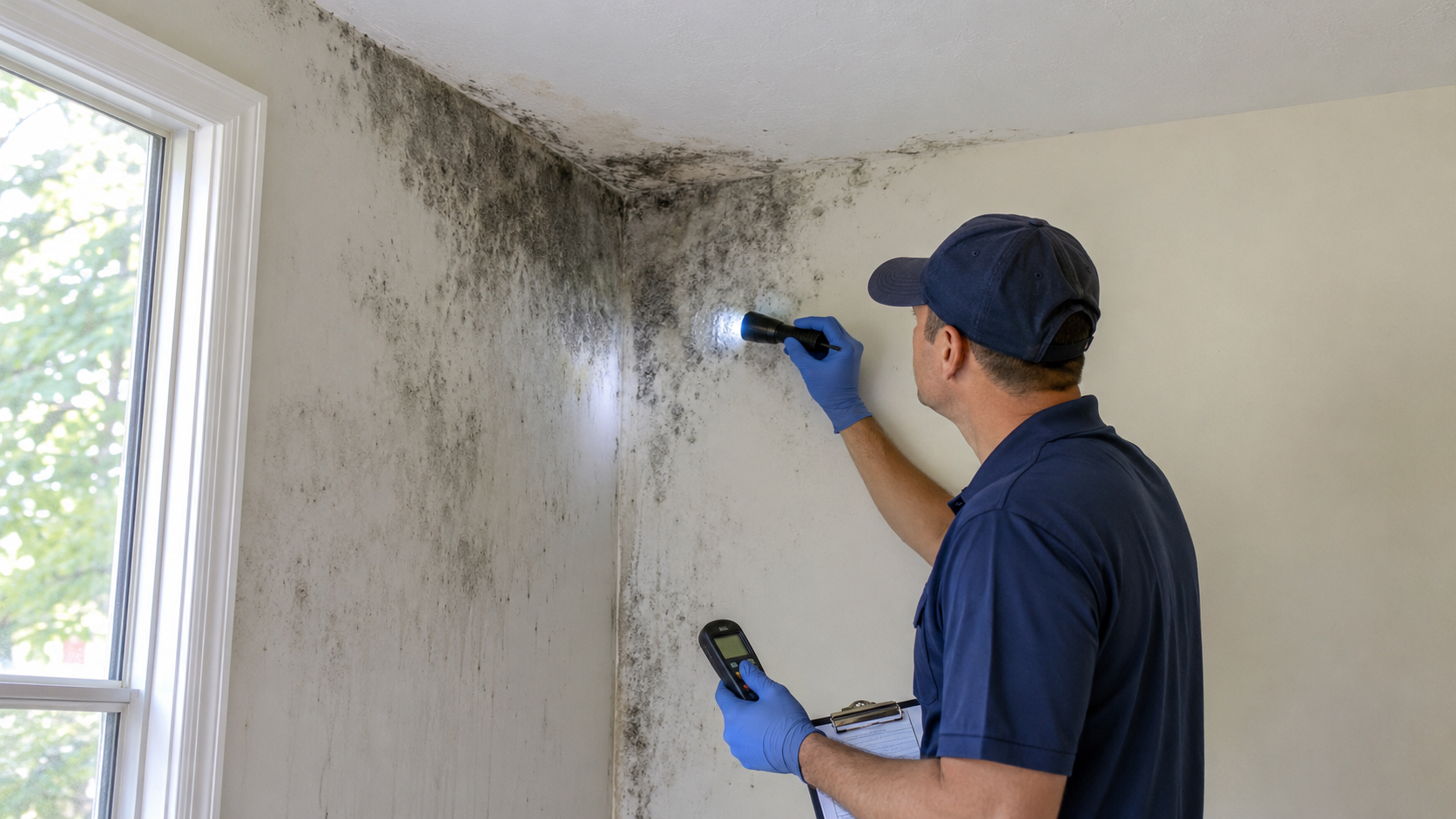
- What inspection or testing occurred
- What materials were removed
Save supporting documents with the timeline.
Useful records include:
- Plumbing invoices
- Roof reports
- Moisture readings
- Mold inspection reports
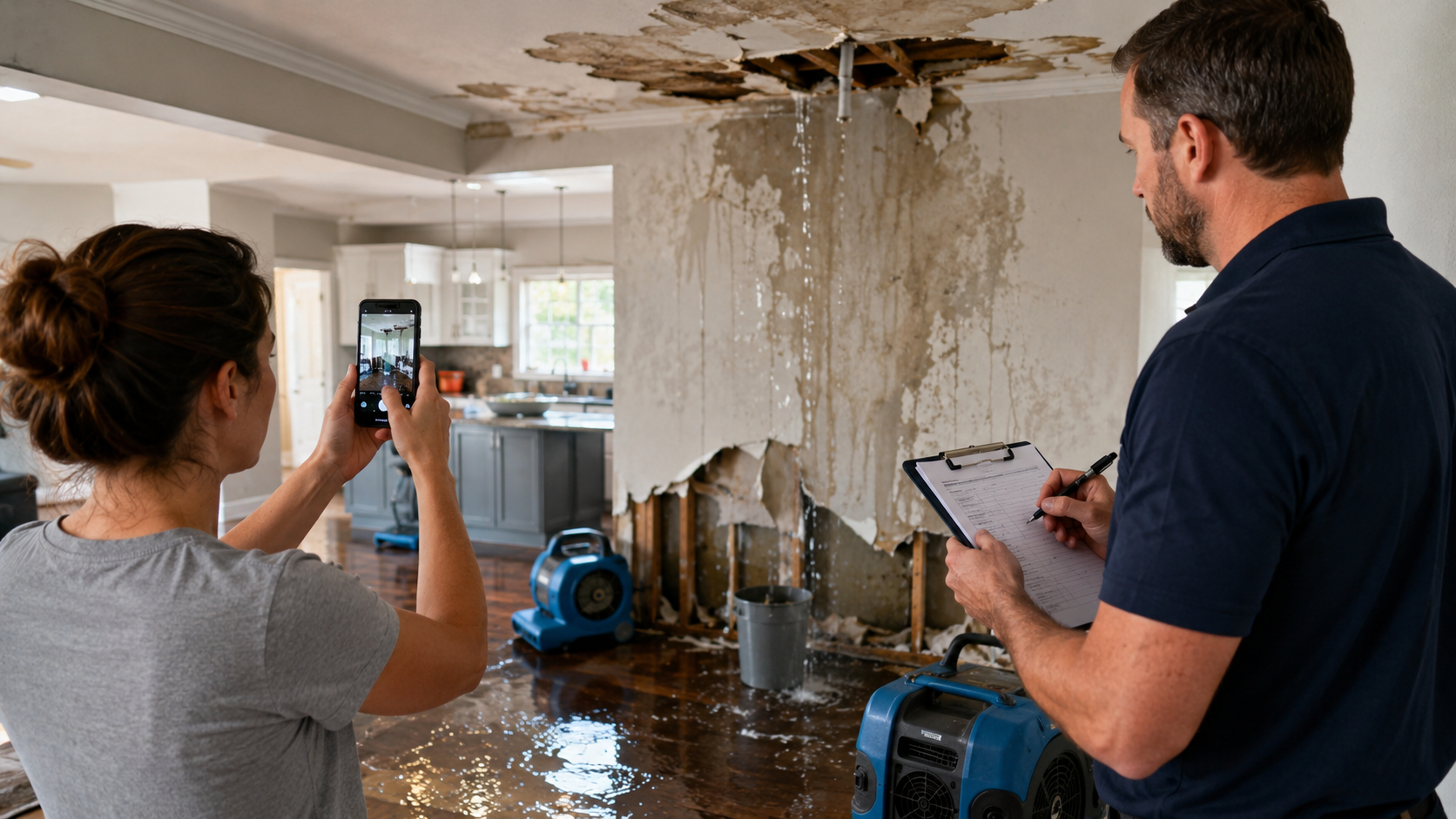
- Photos
- Videos
- Restoration estimates
- Insurance letters
- Emails
Having everything organized can make the loss much easier to explain.
Be Careful With Photos During Remediation
Once mold remediation starts, walls and flooring may disappear quickly.
Take photographs before, during, and after removal.
Capture wide shots so it is clear where the damage is located.
Then take close-ups showing individual materials and affected areas.
If additional damage is found behind a wall or cabinet, photograph it before reconstruction covers it again.
Does Homeowners Insurance Cover Mold?
There is no universal answer.
Mold-related coverage may depend on:
- What caused the moisture
- How long the condition existed
- Specific policy language
- Exclusions
- Mold limitations
- Endorsements
- Other circumstances of the loss
Homeowners should have the policy and specific claim evaluated rather than relying on general assumptions about mold coverage.
Why Goodland Property Owners May Need a Public Adjuster
Mold claims can become difficult when multiple issues overlap.
The insurance company may be evaluating the original water damage while remediation professionals are discussing mold and contractors are estimating reconstruction.
A Goodland public adjuster can help the policyholder organize the claim, document the property loss, evaluate estimates, and communicate with the insurer.
Don't Let the Claim End With Mold Removal
The goal after a property loss is not simply to remove damaged material.
The goal is to understand the complete loss and determine what is required to restore the property.
If you have discovered mold after water damage in Goodland, FL, All Service Adjusting can review the circumstances of the claim and help you understand the insurance process.
FAQs
Is mold restoration different from mold remediation?
Yes. Remediation generally focuses on addressing affected materials and contamination, while restoration can also include rebuilding areas that had to be removed.
What should I save for a mold insurance claim?
Keep photographs, moisture reports, inspection documents, plumbing or roof invoices, restoration estimates, correspondence, and documentation of the original water source.
Should Goodland homeowners contact a public adjuster for mold damage?
A public adjuster may be helpful when the claim is substantial, denied, underpaid, disputed, or involves disagreement over the cause or extent of damage.