

Wind-Induced Roof Damage
Wind-Induced Roof Damage -Naples, FL
As you approach your house, roof damage isn't something you're likely to think about or notice. After a week of storms, we're happy to see the clouds lift and the sun shines through. However, keep in mind that during such storms, hail or high winds may have caused significant damage to your roof. Dents, loose shingles, and/or missing asphalt patches may be present on the roof. If your roof is old or you suspect it has problems, give us a call. We're the experts, and we'll be on the lookout for any signs of damage that an insurance company would need before paying for a new roof.
Wind Can Cause Damage to Your Home
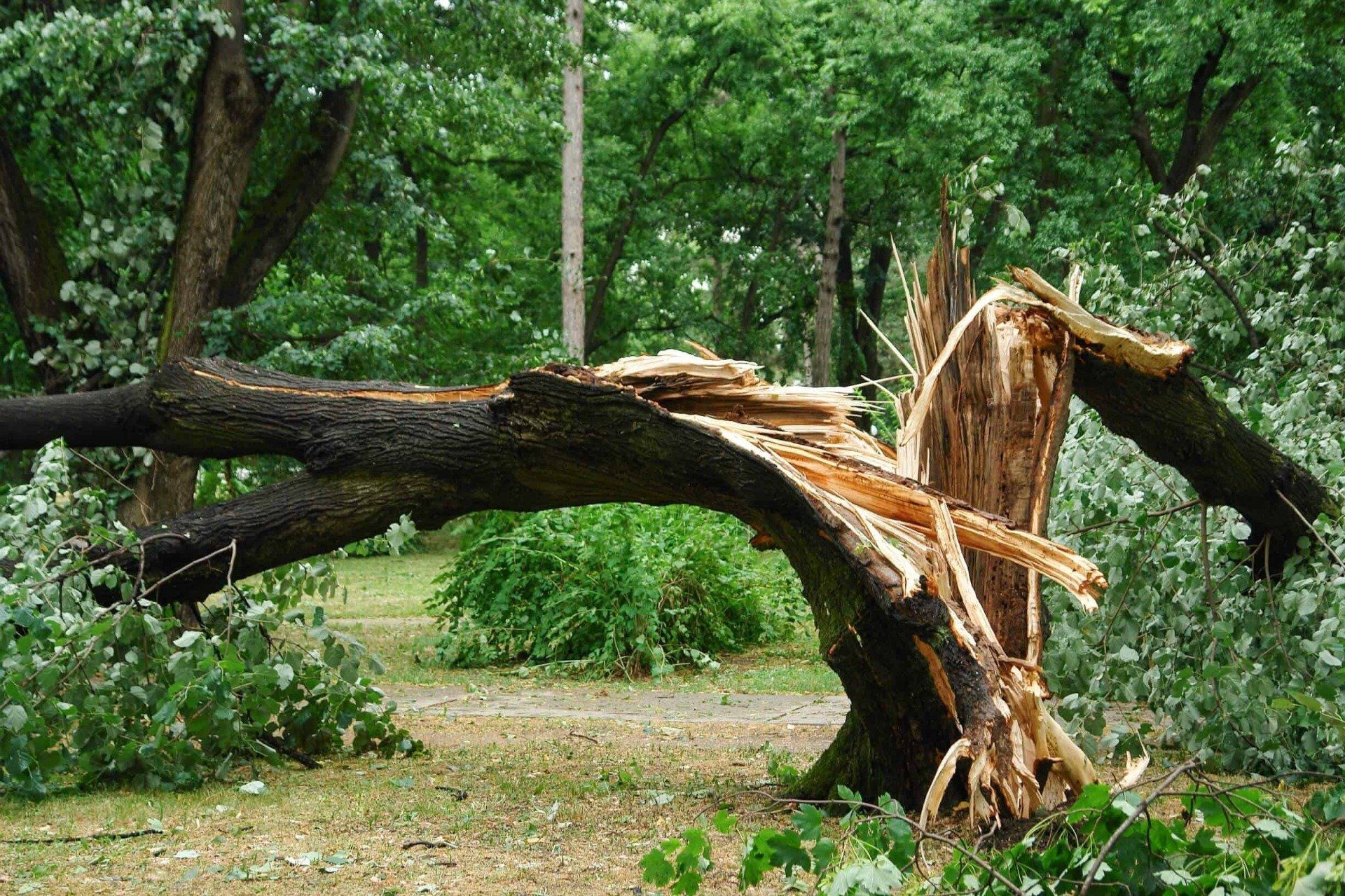
Wind may cause property damage, which many homeowners are unaware of. High winds can cause hazards on your property and in the surrounding area, such as fallen branches, uprooted trees, and broken power lines. While these dangers are usually connected with a large storm, even the wind can cause structural damage to your home. When strong winds blow, shingles can loosen and fall off a roof. Strong winds may rip even the most secure and new shingles away. Another sort of wind damage is damage to a roof caused by falling materials and debris, such as tree branches and downed powerlines.
Roofs are especially prone to wind damage, in part because powerful winds do not impact roofs in a consistent manner. Wind, on the other hand, is more likely to cause damage to the roof's edges or loose areas.
These unprotected parts of the roof are obvious targets because winds may more easily pull up loose tiles, causing a chain reaction. Roof damage can also be caused by falling objects and debris. As a result of water exposure, your roof may begin to leak or degrade after a period of prolonged wind damage.
Wind Speed Damage
What wind speeds should you be concerned about?
- 45 - 57 mph- Winds of 45 mph can cause little damage, according to the National Weather Service, although this range is classified as "non-severe." Non-severe winds may force tree limbs to break off, causing harm to shingles that are already loose or vulnerable.
- 58 - 74 mph- When winds get very strong, they can cause major damage to landscape and structures. Winds in this range will bring down entire tree branches, uproot trees, peel off shingles in good shape, and cause chimney problems.
- 75+ mph- At this pace, trees will be uprooted, mobile homes will be flipped, and business and residential roofs will be severely damaged.
Identifying Wind Damage to Your Roof
Give us a call if you've recently had winds of 45 mph or higher, and we'll come out and evaluate your roof for some of the most common signs of roof damage. Wind damage on a roof can be identified by loose or missing shingles, chimney issues, curling or peeling shingles, granule loss, damaged soffit or fascia, and internal leaks. During heavy winds, tree limbs can also fall, causing roof damage.
- Spots of Granules Missing from your Shingles
- Edge of Roof Curling from Peeling Shingles
- Entire Shingles Missing from the Roof
- Cracks or Tears in a Flat, Rubber Roof
- Damaged Soffit or Fascia
- The chimney is looking a little crooked
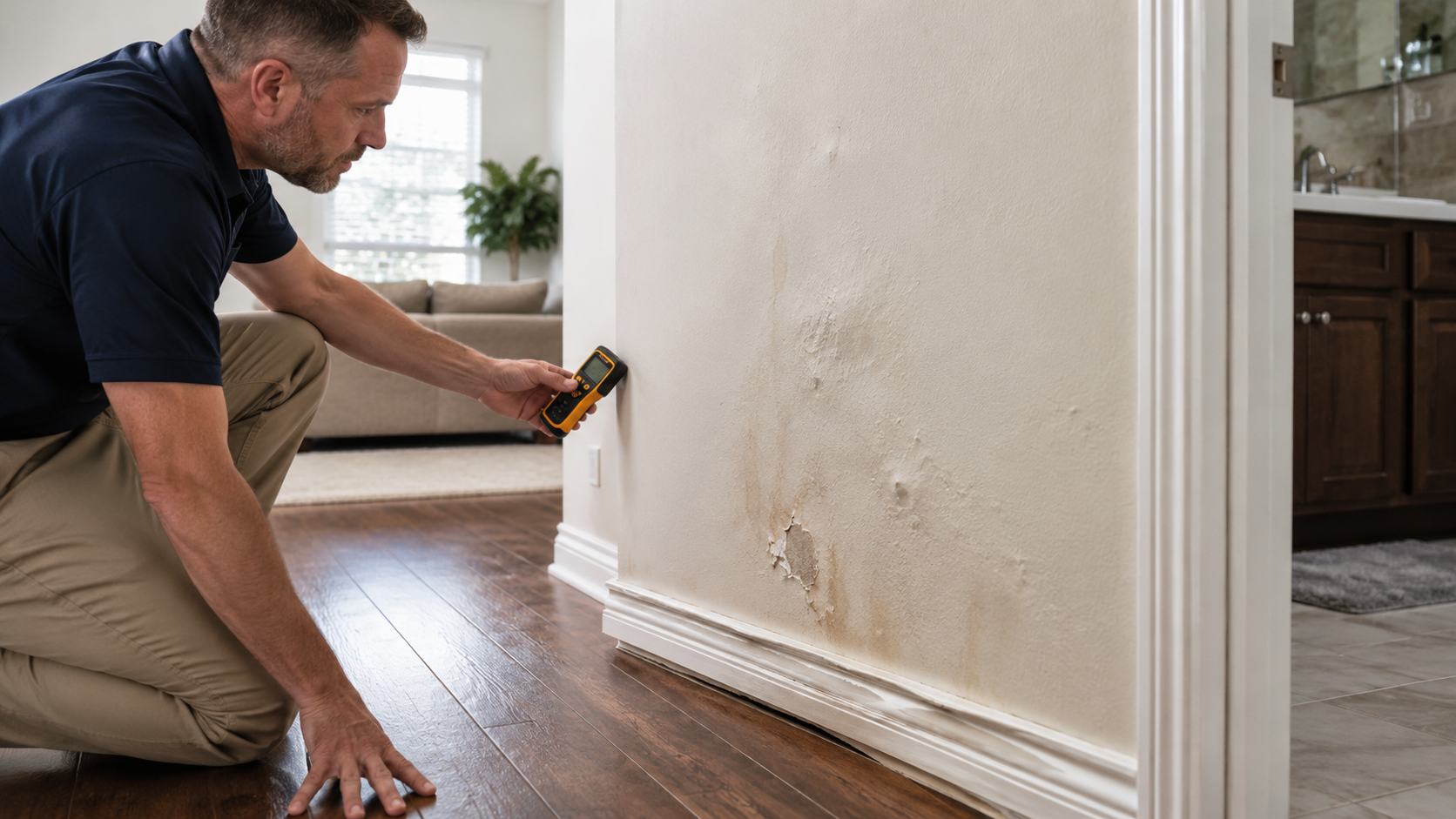
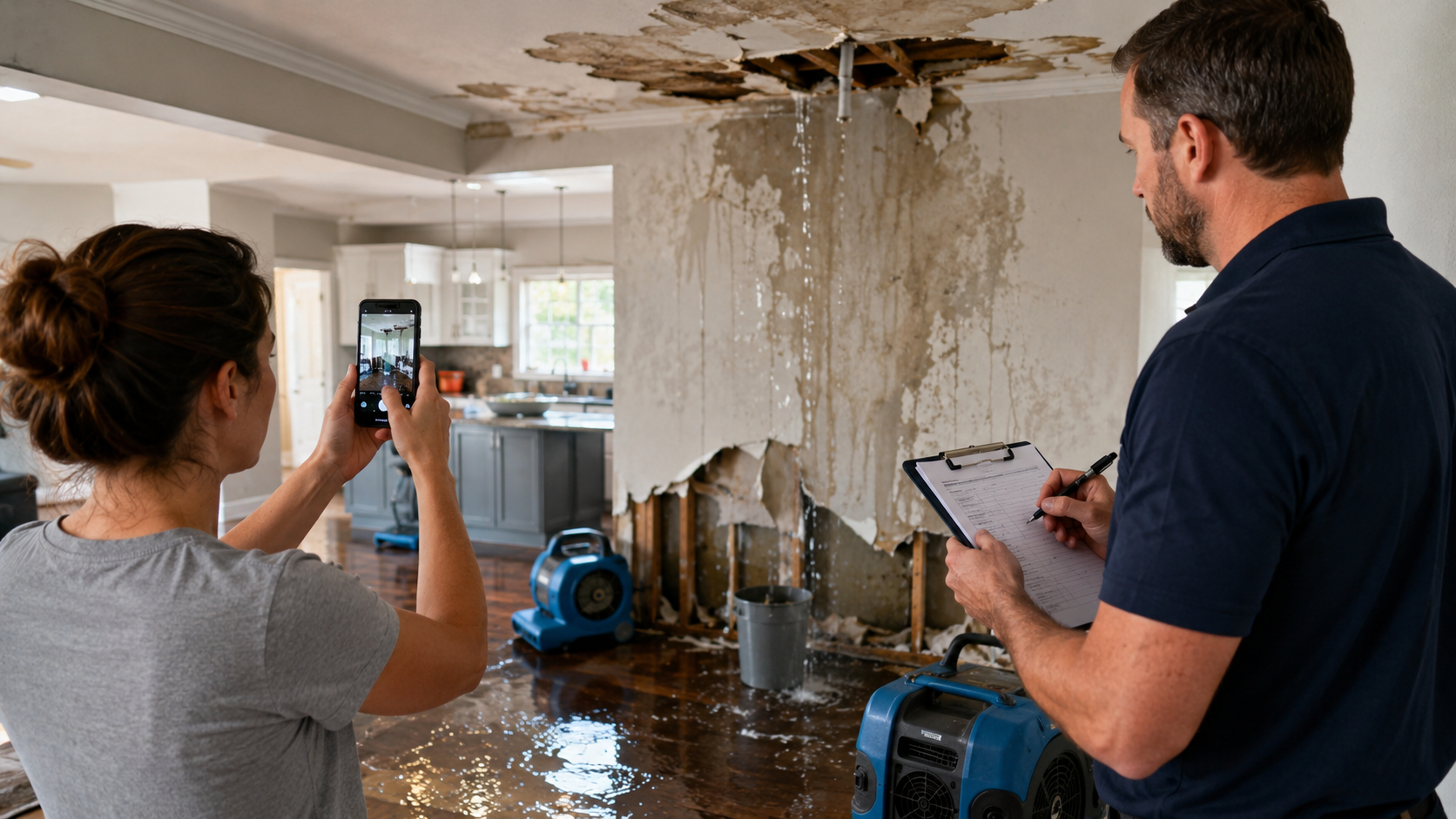
- Leaks and indoor signs of roof damage
Call All Service Adjusting if you're concerned that strong winds have damaged your roof, soffits, or fascia. Our team of experts will assess the damage and help you decide on the best course of action!