
How to Disinfect Used Furniture
How to Disinfect Used Furniture- Naples, FL
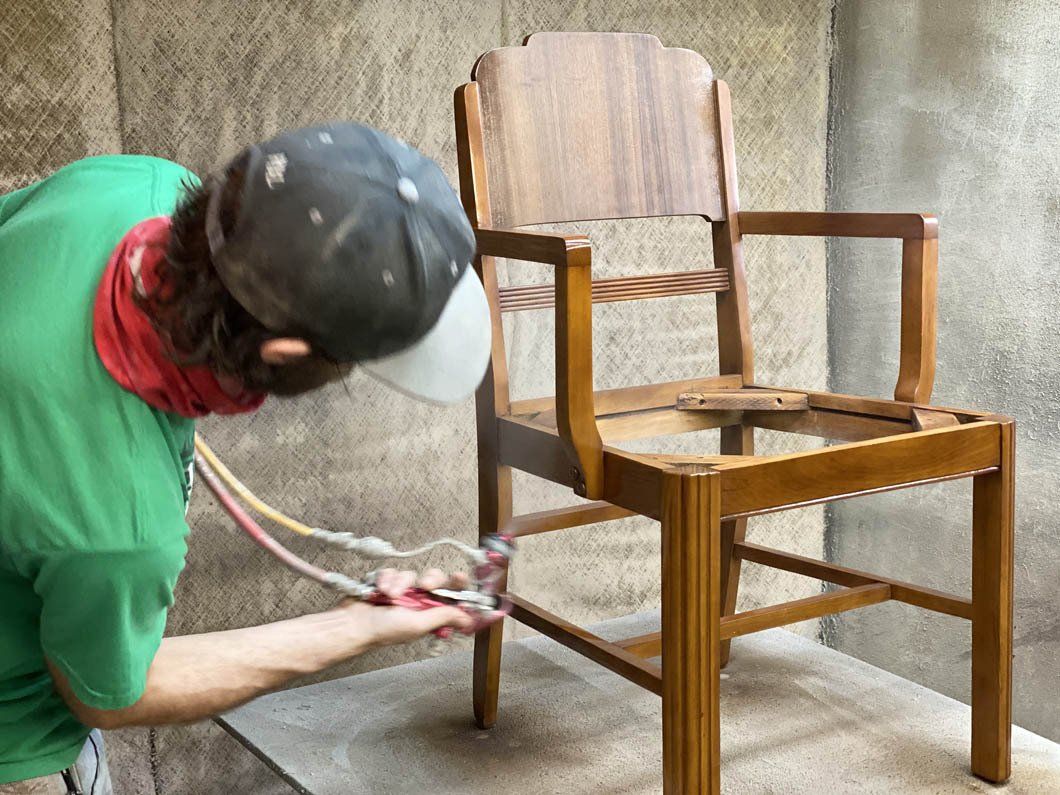
It's an exciting experience to make a deal on used furniture. You can find used furniture on Craigslist, eBay, and Facebook Marketplace, among other sites. It's critical to thoroughly disinfect the furniture after you've had a few moments to enjoy the thrill of the find.
Buying used furniture and reusing it keeps the item out of the landfill, making a thrift store purchase an environmentally friendly option. Not just bargain hunters looking to spruce up their homes, secondhand furniture appeals to a diverse range of buyers.
Owners of vintage stores, for example, sell used items. Many people sell their furniture on well-known online auction sites. These virtual flea markets can lead to some interesting discoveries. Secondhand furniture is also sold in brick-and-mortar vintage stores, albeit from storage units.
It is prudent for homeowners to clean and disinfect used furniture wherever it is purchased. No matter how expensive the items are, they are still secondhand and must be disinfected before they can be used safely. However, reviving furniture is not as easy as throwing clothes in the washing machine.
Depending on the material, such as hard or soft, different steps are required for disinfecting furniture. Cleaning experts recommend store-brand disinfectants such as Lysol or Microban sprays. Others are at ease with homemade cleaning solutions made from everyday household items.
For example, experienced furniture flippers recommend simple yet effective disinfecting methods that begin with disinfecting the furniture with store-bought disinfectant sprays. This critical first step keeps viruses and germs out of the storage facility.
Disinfect Wooden Furniture
Hard surfaces like wooden tables and dressers are slightly easier to clean than porous surfaces like upholstered chairs. Begin by spraying the wooden furniture with disinfectant, as previously stated. Alternatively, clean it with a homemade cleaning solution of dish soap, hot water, and white vinegar.
Vinegar is the disinfectant of choice for cleaning professionals because it is safe, effective, and widely available. Although vinegar does have an odor, it is only present for a short period of time. The odors of vinegar dissipate after the liquid dries, making it an excellent disinfectant for hard surfaces.
The furniture should then be cleaned with a disinfectant wipe. Clorox manufactures disinfectant wipes that are effective against a wide range of viruses and germs. While disinfecting the hard surface, the wipes also remove any remaining stains on the furniture. Use Magic Eraser on tough stains.
Disinfect Upholstered Furniture
Upholstered furniture is porous and requires a different method of disinfection. Many people who upcycle furniture swear by their own homemade disinfectant concoctions. For example, a cup of baking soda mixed with ten drops of eucalyptus oil can be used successfully.
Combine the baking soda and oil in a powder bottle. Sprinkle the mixture over the upholstered furniture. Allow the mixture to sit for about two hours on the furniture. Then, using a vacuum attachment with an upholstery brush, remove the baking soda and clean the furniture.
Cleaning and disinfecting upholstered couches is a more involved process. The cushions should be removed before beginning the cleaning and disinfection process. Scrub the baking soda mixture into the fabric (using a brush if necessary), focusing on the areas behind the seatback and armrests.
Take the used furniture piece outside and expose it to the sun if the weather permits. Allow the products to dry for a few hours in the sun. After the recommended time has passed, vacuum up the baking soda mixture, which will have absorbed any odors and moisture.
Using a steam cleaner will thoroughly clean and disinfect the used upholstered furniture. The device penetrates the fabric and disinfects it thoroughly by providing a deep clean. The steam cleaner's heat not only kills bacteria but also removes tough stains.
Enzyme cleaners can be used to effectively disinfect used furniture. Enzyme cleaners, on the other hand, are tailored to specific materials such as leather or wood. The appropriate enzyme cleaner will eliminate odor-causing bacteria, odors, and stains.
Commercial Cleaning and Disinfection Service
In the post-Covid-19 era, disinfecting used furniture has become even more important. Many disinfectant products kill the Coronavirus, making it critical to use them when bringing used furniture home for health and safety reasons. Another way to ensure health safety is to hire a professional for disinfection services.
Professional cleaning and disinfection services can help protect your employees, visitors, and customers from viruses that cause illness, such as the Coronavirus, the flu virus, and other well-known viruses.
Technicians clean the interior of the building in two steps, first removing dust and debris and then disinfecting it to eliminate pathogens. Specialists disinfect high-touch objects such as light switches and doorknobs, as well as high-traffic areas.
Cleaning and disinfection services are performed by highly trained technicians who follow all Centers for Disease Control (CDC) guidelines and wear personal protective equipment. If an employee becomes ill in your office, the area will be quarantined to prevent cross-contamination.
Contact All Service Adjusting for all your commercial disinfecting needs.